


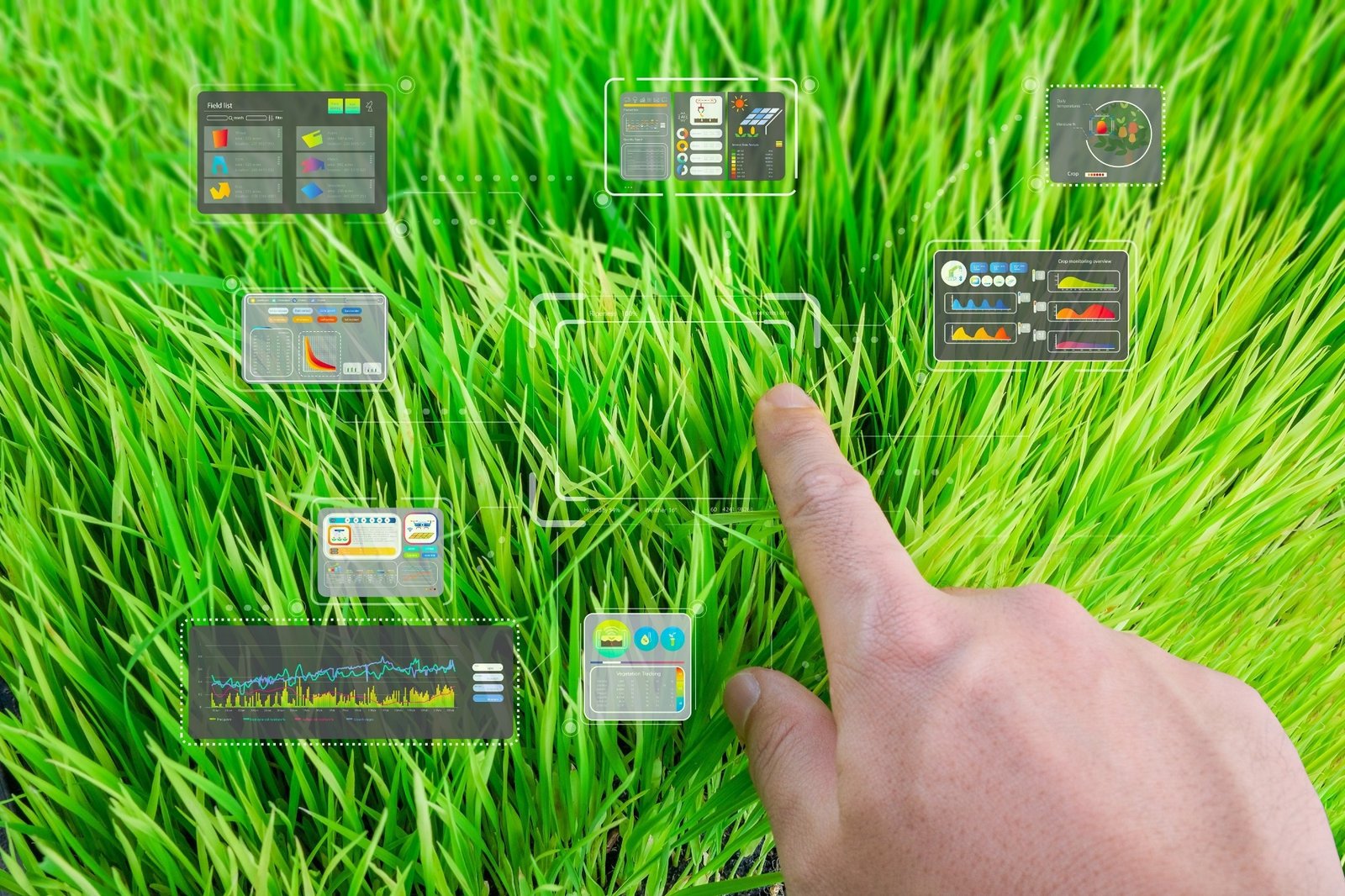
By connecting personal health data with climate forecasts and food logistics, AI could reshape how food is grown, delivered, and recommended, but the review warns that fairness, privacy, and sustainability will decide whether these tools benefit everyone.
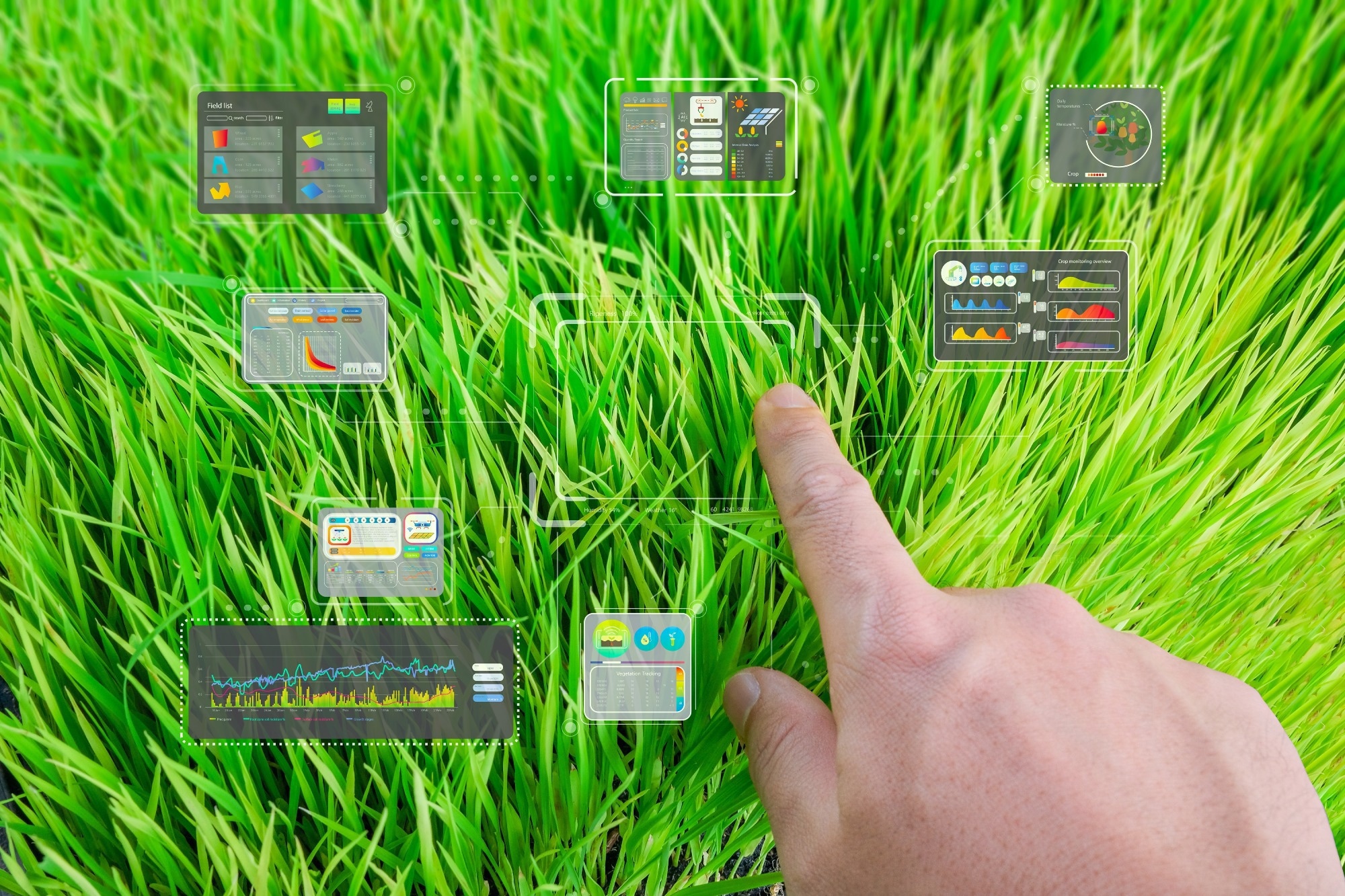
Study: AI-driven personalization of food systems: From precision nutrition to climate-resilient supply chains. Image Credit: Phonlamai Photo / Shutterstock
A recent review published in the journal npj Science of Food suggests that artificial intelligence (AI) could help address aspects of global food insecurity by linking individual health, behavioral, dietary, environmental, and logistics data to climate conditions and farming practices.
AI models can analyze complex information, including health and environmental data, weather forecasts, and logistics data, to improve food production, distribution, and sustainability, provided that equity, privacy, and governance barriers are addressed.
Current food systems are not adequately equipped to address the growing problem of food insecurity. People facing economic barriers may struggle to access healthy diets. In parallel, excessive consumption of low-cost and readily available ultra-processed foods, particularly in high-income settings, may predispose individuals to conditions such as obesity.
Existing dietary recommendations are generic. Two individuals who consume the same food may respond differently. This is because people have different metabolic profiles, genetic susceptibilities, and gut bacteria compositions.
Farmers also primarily grow a few crops based on historic weather conditions. As a result, crop production may become inefficient due to ongoing climatic changes.
These systems can increase reliance on resource-intensive production models and reduce resilience in the face of a changing climate. Conventional methods may therefore worsen environmental damage.
In the present review, researchers searched the PubMed, Scopus, and Web of Science databases for relevant records on AI use in precision nutrition and climate-resilient food supply chains.
AI used to personalize food consumption and improve supply chains
AI can make nutrition more personalized and food production more efficient. AI models can combine data from multiple sources. Machine learning and deep learning algorithms can then analyze such integrated datasets. For instance, wearable devices can track measures such as heart rate, activity, sleep, and, in some cases, blood pressure. AI applications can combine this personal information with genetic data, gut microbiome composition, and environmental factors.
The models can then provide customized diet plans based on health parameters, physical activity, dietary habits, and sleep patterns to improve overall health. These applications can analyze geographical conditions and provide local food options rather than imported items with a high carbon footprint.
AI-driven platforms such as DayTwo use gut microbiome and glucose-monitoring information to support personalized nutrition, and the review reports that personalized interventions have reduced post-meal glucose levels by up to 21% in cited studies.
AI technology can also strengthen food supply chains. Climate prediction models use remote sensors and analyze satellite data in real time to forecast floods and droughts weeks in advance. They can therefore improve preparedness among farmers.
Singapore uses AI-based indoor farming techniques. Crops are grown in vertical panels that are controlled by AI. These panels can automatically adjust light, temperature, and nutrients. Robots perform tedious farming tasks to reduce the need for manual labor. Automated procedures include planting seeds, moving crops, and harvesting. However, the review notes that vertical farming can require high investment, technical expertise, and substantial electricity use.
The IBM Food Trust uses blockchain-based traceability, supported by AI-driven data cleaning, standardization, and analytics, to track food from the original source (farm) up to the grocery store. By connecting growers, wholesalers, and retailers, AI may help reduce food wastage and quickly identify contamination sources.
Such systems can help align food production with the nutrition requirements of local communities. This supports circular food practices and lowers carbon emissions and environmental strain.
Based on real-time traffic and vehicle accidents, AI applications can identify the most appropriate delivery route. This has reduced greenhouse gas emissions by 15% to 30% in cited applications.
Existing Limitations and Future Directions
Scientists are increasingly using AI technologies. Nevertheless, certain barriers limit widespread use. Individual health and weather information are often stored in different formats, making them harder to interpret across different systems. AI models are also mainly trained in developed nations. As a result, the data may perform poorly for people in developing, low-income nations. These models also usually have a “black box” approach.
Input data is processed into outputs without transparent reasoning. This reduces trust in decision-making and raises privacy concerns. Scientists, therefore, find it difficult to integrate information on nutrition, climate, and logistics.
Furthermore, AI systems for indoor vertical farms require significant investment and technical expertise. They may require substantial electricity and broader technical resources, and their environmental impact depends on how they are powered and managed. Large tech companies usually control food data, further raising ethical concerns and reducing fair access to personalized nutrition strategies.
Scientists need to develop federated learning-based AI systems that use data with individual consent and provide transparent explanations for their decisions. Future efforts must also support secure blockchain-based food data sharing.
Technologies such as quantum computing may eventually help reduce computational burdens and improve supply chain management, although the review emphasizes that practical use remains limited by hardware and expertise gaps.
Conclusions
Based on the findings, AI could transform food systems by linking human health data with farming practices and supply chains. By linking individual health and dietary data with climate forecasts and logistics, AI tools can provide personalized nutrition advice and healthier, more sustainable dietary recommendations. While Singapore’s “30×30” vertical farming plan demonstrates AI’s practical value in securing a nation’s food supply in a densely populated city, challenges such as data silos, privacy issues, high costs, energy demands, equity concerns, and weak global regulations must be addressed to ensure equitable implementation.
Journal reference:
- Zheng, L., Ren, A., San, Y. et al. (2026). AI-driven personalization of food systems: From precision nutrition to climate-resilient supply chains. npj Science of Food. DOI: 10.1038/s41538-026-00901-9, https://www.nature.com/articles/s41538-026-00901-9
