


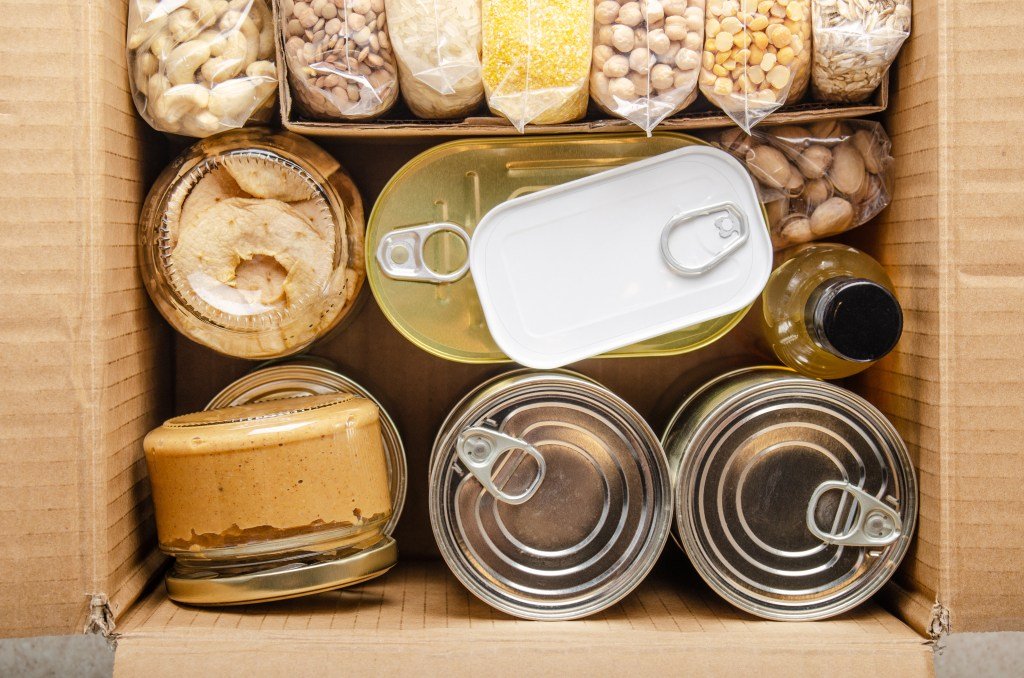
There is a version of this story where the humble bean is simply living it up in its wellness era. Where the canned legume, long the staple of church potluck side dishes, has finally been redeemed by the clean-eating gods of TikTok. But if you dive in and take a closer look at the numbers and behaviors of Americans, at the ever-increasing grocery bill receipts, at the collective mood of a country quietly swapping ground beef for chickpeas as the world continues its downward spiral around us, then the bean starts to look less like a trend and more like a tell.

Related story
5 Ridiculously Easy Pioneer Woman Dinner Recipes You Can Make With Pantry Staples
If you aren’t already familiar, I would like to introduce you to #BeanTok, the viral corner of Gen Z’s preferred social media platform, where creators claim eating two cups of beans per day can solve everything from bloating to anxiety, and even reverse the effects of perimenopause. To be fair, they’re not exactly wrong about the appeal. It’s no secret that beans have an immense amount of nutritional value and benefits. According to the American Heart Association, beans are an excellent alternative protein source and contain a large amount of minerals and dietary fiber without the saturated fat and cholesterol in some animal proteins. What’s not to love about that? But the recent increase in the popularity of beans could indicate a more worrying trend than people just looking to up their protein and fiber intake.
Here is the thing about beans: they have always been cheap. And right now, cheap is the assignment.
According to the U.S. Department of Agriculture (USDA), beef and veal prices were nearly 15% higher in April 2026 than they were last year. The St. Louis Federal Reserve reported that ground beef hit record highs of $6.23 per pound in September 2025, driven by the smallest U.S. cattle herd in decades, combined with rising feed and labor costs. Meanwhile, back in February, the USDA revealed data at the annual Agricultural Outlook Forum in Washington, D.C. that shows the average weekly grocery spend has climbed to $170 per week, up significantly from $120 per week in 2020, outpacing the rate of inflation in that same time period. The math is doing something to people, and what it’s doing is sending them down the canned goods aisle instead of heading to the butcher.
And into this precise American cultural moment, enters Bush’s Baked Beans, which just dropped something that is either a stroke of marketing genius or a loud distress signal, depending on how you choose to look at it. Just last week, Bush’s launched three new limited-edition summer flavors: Dill Pickle, Apple Pie, and Rocket Pop, reimagining nostalgic summer treats as cookout sides. The limited-edition multi-pack that would set you back $5.25 is a nod to Memorial Day, typically viewed as the official kickoff to summer cookout season. Almost as soon as the flavor pack hit the internet, it sold out. Sales climbed so quickly that the retailer had to cap purchases at three packs per customer. The product page even includes a note warning shoppers to allow extra time for shipping due to high demand. For beans!
This is where the recession indicator theory lives, and it’s by no means a new concept. In the past, economists have looked at everything from lipstick to Labubus as clues to financial anxiety. It makes sense, when people feel squeezed, they reach for affordable indulgences. Just because we’re broke doesn’t mean we stop wanting nice things. The nice things just start getting smaller and cheaper.
What makes this moment different from previous recession cycles is the performance of it. In the past, people switched to store-bought brands and said nothing. This time, the frugality is content. We have full-on bean influencers now, and they’re not ashamed to show off their lentil soups or dense bean salads. They are filming them, optimizing them, monetizing them, and building community around them. There is something genuinely moving about that community building, but it’s also something that should give us pause. When an entire generation decides that the most relatable thing they can post is a bean haul, the economy is communicating something.
In 2026’s America, Bush’s Dill Pickle Baked Beans are a cultural moment, just like that flashy sold-out banner sitting above them on the product page. The bean does not lie.
