


Looking for a quick lunch to whip up for your children? We have easy toddler recipes that are perfect for midweek meals at home or a packed lunch on the go.
Our lunch ideas include healthy recipes packed with nutrients like vitamin C and omega-3. We all know how hectic life can be with little ones, so we’ve included plenty of freezable dishes, perfect for meal planning and getting ahead for the week.
For more inspiration, see our best recipes for toddlers and everything you need for a balanced diet for toddlers.
Cassie is Good Food’s Head of Food and a mum of two, one of whom has food allergies. She’s developed hundreds of family recipes so read on for her advice on what matters most when feeding your little ones with ease or check out more of Cassie’s recipes.

The key to feeding toddlers well is taking the pressure off. At this stage of their development, it’s more important to expose them to a variety of flavours and textures than to worry about how much they eat. Some foods will inevitably be rejected, but repeated exposure really does pay off over time. Aim for balanced meals with a mix of protein, fruit and vegetables, carbohydrates and dairy or fortified dairy alternatives. Keep portions small to avoid overwhelming little appetites, you can always offer seconds if they’re still hungry.
5 tips for prepping a lunch your toddler will actually enjoy
- Pair familiar favourites with something new. Include one or two foods you know your toddler enjoys alongside a new flavour or texture. A familiar lunch can make trying something different feel less daunting, and nursery or pre-school can sometimes encourage children to copy their friends and be more adventurous.
- Think small portions with plenty of variety. Toddlers are often more tempted by a selection of bite-sized foods than one large item. Try a mix of pitta bread, crackers or breadsticks with cubes of cheese, chicken, turkey or ham, plus chopped vegetables and fruit. If they finish everything, you can always offer more.
- Make packed lunches easy to eat. A bento-style lunchbox keeps different foods separate and in place, making lunch more appealing and reducing the need for cling film. Cut foods into age-appropriate pieces that are easy for little hands to manage.
- Prep little and often. Save time during busy mornings by washing and chopping fruit and vegetables, cooking chicken or eggs, or portioning cheese at the start of the week. Keeping lunchbox staples ready to grab makes it much easier to put together a balanced lunch.
- Keep homemade snacks in the freezer. Batch-cook toddler-friendly snacks such as fruit muffins, oat bars or vegetable-packed bakes and freeze them individually. Pop one straight into the lunchbox in the morning and it should be ready to eat by lunchtime, while helping keep the rest of the lunch cool.
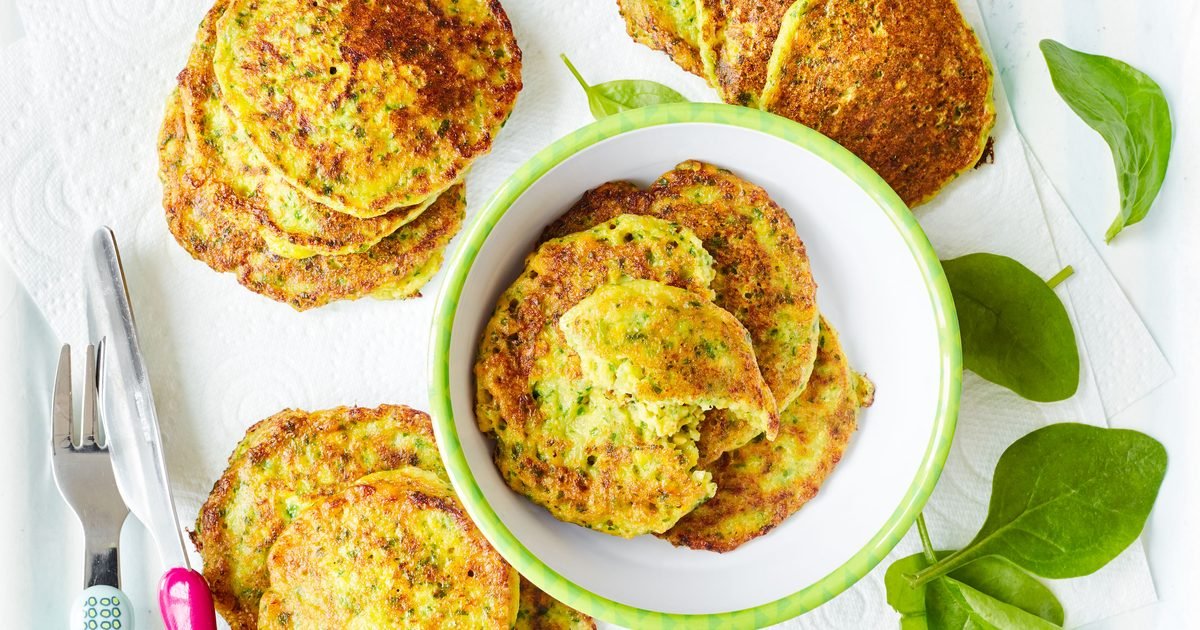
These healthy sweetcorn and spinach fritters are packed with vitamin C from the vegetables, plus protein from the egg. Freeze a big batch to get ahead for weeks to come.
Mess level: Low
Freezer suitability: Freezable
Allergy swaps: Swap out milk for dairy free milk, egg for 2 tsp milled flaxseed mixed with 1 tbsp water, flour for gluten free flour
Portability: Portable

Rustle up this omelette for your little one. Suitable from six months, it’s a great first food to get weaning children familiar with new tastes and textures.
Mess level: Medium
Freezer suitability: Not freezable
Allergy swaps: Swap butter for olive oil and remove cheese if needed
Portability: Portable

If you’re looking for a meal the whole family can enjoy together, look no further than this healthy courgette and pea risotto. It can serve up to two adults and two children, making a sit-down meal with everyone possible. Using a microwave makes the recipe easy and energy-saving, as microwaves use less energy than cooking on the hob. Read more about reducing energy costs in our helpful guide to energy-efficient cooking.
Mess level: Medium
Freezer suitability: Freezable
Allergy swaps: Swap prawns for chicken and cheese for a dairy-free alternative or nutritional yeast
Portability: Portable, but you’ll need a microwave to reheat

Our simple chicken cashew satay can be prepared in only 15 minutes, making it a brilliant, stress-free midweek lunch option. The chicken breast is served on lolly sticks, making it easy to hold for little hands, and they go perfectly with a side of long-stemmed broccoli to get some all-important greens.
Mess level: Medium
Freezer suitability: Freezable (uncooked)
Allergy swaps: Swap the cashews for another nut butter or sunflower butter and the soy sauce for tamari
Portability: Portable

What’s better than fish and chips for a filling lunch? This salmon recipe is perfect for toddlers, packed with omega-3. You could double-up this simple recipe and freeze the extras for future meals.
Mess level: Medium
Freezer suitability: Freezable (uncooked)
Allergy swaps: Swap egg for 1 tsp cornflour mixed with 1 tbsp water and breadcrumbs for gluten-free breadcrumbs
Portability: Not portable

This salmon and coconut curry is a great way to introduce your little ones to new tastes and textures. It’s suitable for children aged eight months and up – it’ll be a go-to recipe for years to come.
Mess level: Medium/high
Freezer suitability: Freezable
Allergy swaps: None
Portability: Portable, but you’ll need a microwave to reheat

Make a batch of these mini egg and vegetable muffins for a lunch that’s sure to satisfy little ones. Pack in three of your kid’s five-a-day with courgette, carrots and peas. Simply combine the vegetables with egg and feta and bake in the oven.
Mess level: Low
Freezer suitability: Not freezable
Allergy swaps: Leave out feta for a dairy allergy
Portability: Portable

It’s never too early to introduce kids to the fun of the kitchen. This recipe is perfect for keeping bellies full and hands busy as you can get everyone to decorate their pizza with their favourite veg. It’s an excellent way to encourage fussy toddlers to eat more of their five-a-day.
Mess level: Medium
Freezer suitability: Not freezable
Allergy swaps: Swap the cheese for a dairy-free alternative
Portability: Portable
Check out our kids’ cooking recipes for more great recipes for making with kids. Our kids’ kitchen series is also great for teaching kids essential cooking skills.

Make this falafel salad fun with a bento-style lunchbox. It’s great for toddlers and young children who prefer lunches with lots of individual elements. Use shop-bought falafel or make our edamame falafel wraps.
Mess level: Medium
Freezer suitability: Freezable (falafels only)
Allergy swaps: Swap hummus for sesame free hummus or tzatziki
Portability: Portable

This healthy dahl recipe is a great introduction to mild curry flavours and spices. It’s packed with nutritious spinach and yellow split peas. This is another great option for batch cooking and freezing.
Mess level: High
Freezer suitability: Freezable
Allergy swaps: Remove cashews or replace with another nut such as almonds, and swap yogurt for a dairy-free alternative
Portability: Portable (but best served warm)

A family classic with creamy mash, lamb and veg that’ll be wolfed down in a flash. These mini pies are freezable, too, so handy for getting ahead on midweek meals. Packed with celery, carrots, courgette and peppers, they’re great for packing in the veg.
Mess level: High
Freezer suitability: Freezable
Allergy swaps: Swap butter, milk and cheese for dairy-free alternatives
Portability: Portable, but you’ll need a microwave to reheat

If your toddler enjoys feeding him or herself then try these moreish chicken meatballs, made with fresh veggies and chicken thighs. Serve with rice and broccoli for a satisfying dinner.
Mess level: Medium
Freezer suitability: Freezable (uncooked)
Allergy swaps: None
Portability: Portable, but best eaten warm

These clever cauliflower cakes are a great way to get kids eating extra veg. Simply steam the cauliflower then blitz in a food processor with breadcrumbs, grated cheddar, an egg and a few chives. Shape into patties and bake until crispy.
Mess level: Low
Freezer suitability: Freezable
Allergy swaps: Swap bread for gluten-free bread
Portability: Portable

Mini fish bites for mini mouths. Perfect for babies and toddlers who enjoy feeding themselves and a great way of including oily fish in their diet.
Mess level: Medium
Freezer suitability: Freezable
Allergy swaps: None
Portability: Portable, but best eaten warm
What toddlers actually tend to eat consistently?
- Toddlers often gravitate towards naturally sweet flavours, such as fruit, sweet potato and carrots, while more bitter vegetables can take longer to accept. That’s perfectly normal. The key is to keep offering a variety of foods without pressure, as repeated exposure can help children become more familiar with different flavours over time. Vegetables like broccoli, asparagus and green beans can be cooked until soft, making them easier to chew and enjoy, particularly for babies following a baby-led weaning approach.
- Don’t be afraid to introduce herbs and mild spices, either. Flavours such as cinnamon, cumin, coriander and paprika can add interest to family meals without making them spicy, helping toddlers develop a broad palate from an early age.
- Texture can be just as important as taste. Some children prefer crunchy foods, while others find stringy textures like chicken or very soft foods such as avocado more difficult. Preferences can change as they grow, so continue offering a range of textures alongside familiar favourites. Even if a food is refused today, another opportunity to try it in the future may have a different outcome
The key lunchbox challenges (and how to fix them)
- If a lunch comes home untouched. Try not to panic if your toddler eats very little at nursery or pre-school. Appetite naturally varies from day to day, and excitement, tiredness or a change in routine can all affect how much they eat. Offer a balanced meal when they get home and start afresh the next day, rather than trying to make up for it with lots of snacks.
- If they keep refusing the same food. Repeated refusal doesn’t mean they’ll never like it. Take the food out of rotation for a couple of weeks, then offer it again in a different form, for example, cut into fun shapes with a crinkle cutter, roasted instead of steamed, or served alongside a favourite food. Keep the atmosphere relaxed and avoid pressuring them to taste it. Seeing you enjoy the same food can also encourage curiosity over time.
- If they dislike certain textures. If soft foods are rejected, try adding a little crunch, such as sprinkling seeds (where age-appropriate and safe) onto avocado toast, or stirring oats into yogurt. Equally, if crunchy foods seem overwhelming, try cooking vegetables until they’re softer. Small changes in texture can make a surprising difference.
- If you’re packing hot meals. Hot lunches can be a welcome alternative to sandwiches, especially in colder weather. Reheat food until it’s piping hot before transferring it to a preheated food flask, and always follow food safety guidance. If food needs serving or cutting up, check that an adult will be available to help at nursery or pre-school.
- If your lunchbox leaks. A good-quality lunchbox with secure compartments is worth the investment. Pack wetter foods, such as yogurt or dips, in leakproof containers and avoid overfilling them. Keeping ingredients separate can also help maintain texture and make lunches look more appealing.
Top lunchbox tips
- Keep added sugar and salt to a minimum by choosing whole foods where possible, such as fruit, vegetables, cheese, eggs and wholegrain carbohydrates.
- Include an ice pack during warmer weather to help keep chilled foods safe until lunchtime.
- If your child isn’t keen on sandwiches, try alternatives such as pasta, rice, wraps, savoury muffins or a warm meal in a food flask.
Enjoyed these recipes? See more ideas…
Sensory play ideas for kids
Toddler recipes
Easy 7-day family meal plan
Quick & budget family meals
