


When you think of whole grains, you probably think about healthy fiber and vitamins they’ll provide. But did you know that grains can be packed with protein, too?
“I do think of grains as a protein source,” says Natalie Rizzo, registered dietitian and TODAY nutrition editor. “If I’m planning a meal around protein, it’s not like I’m planning it around the grain. But I do think of grains as an additive protein source, especially as a plant-based person.”
The classic example is beans and rice, which complement each other to make a filling, well-rounded, high-protein meal.
In fact, some types of grains can provide as much — or even more — protein per serving than an egg. And that’s in addition to the gut-healthy fiber, B vitamins and antioxidants you’ll find in grains.
You don’t always need to opt for the highest-protein grain. But when you’re prioritizing protein, here are the best places to start.
The No. 1 Whole Grain With the Most Protein
Wild Rice
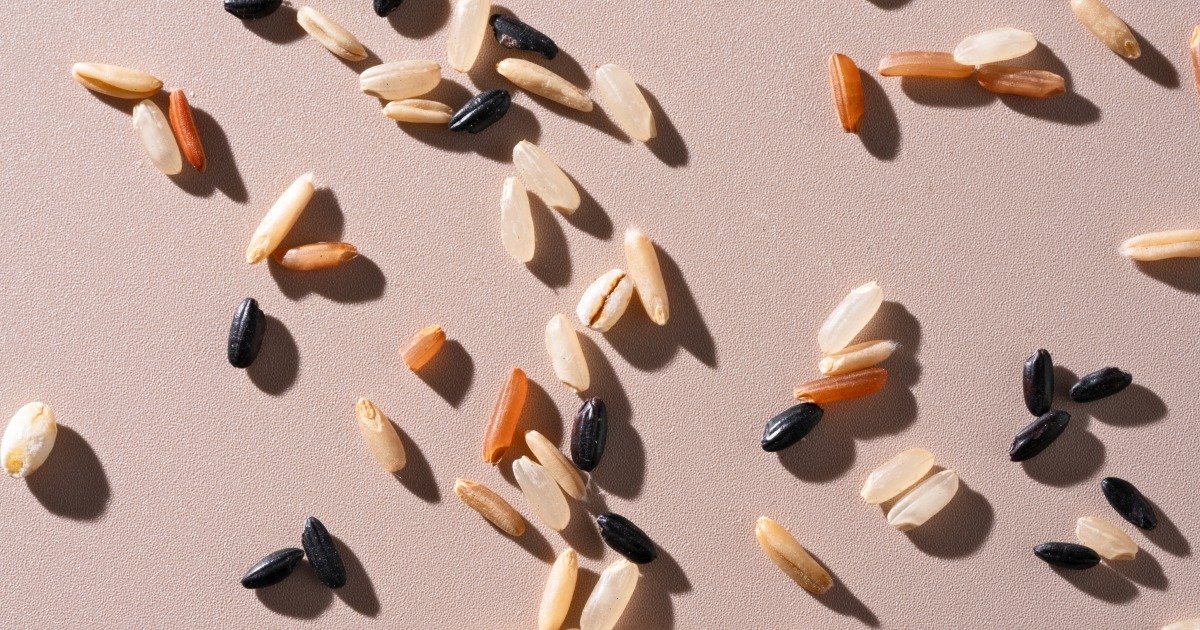
The whole grain with the most protein is wild rice.
Curiously, wild rice is technically not rice, Rizzo explained previously. Instead, it’s a variety of semi-aquatic grass, she said.
This whole grain boasts 6.61 grams of protein per 45-gram serving of dry rice, according to the U.S. Department of Agriculture’s food database. (The Whole Grains Council considers 45 grams of dry grains a standard serving size, which amounts to a little less than a cup of cooked grains.)
In addition to its high protein and fiber content, wild rice provides the same vitamins and minerals that you’ll find in other healthy types of whole grain rice, like brown rice, Rizzo said.
Wild rice is dark brown in color and has a pleasantly chewy outer layer with a softer, creamier inner grain. It’s great in slow-cooker recipes, like this casserole, as well as simple one-pot dinners, pilaf and risotto.
Other High-Protein Whole Grains
While wild rice is the whole grain with the most protein, according to the numbers, all whole grains offer some of this important nutrient. And many are basically tied with wild rice for the top spot.
Here are a few other grains that are also high in protein.
Spelt
Almost tied for first place is spelt, which provides 6.57 grams of protein in a standard serving, the USDA says. You’re more likely to find and use spelt in its ground flour form than as a grain, and it’s a great option for baking.
Kamut
This ancient grain is also quite high in protein. In a standard serving of kamut, you’ll find 6.53 grams of protein.
A lesser-known grain than some others on this list, kamut can be boiled into an oatmeal-like porridge. But you can also find kamut in some whole grain cereals.And puffed kamut can be a crunchy, healthy topping for yogurt or cottage cheese.
Quinoa
Technically a seed rather than a grain, quinoa is packed with nutrients — including 6.3 grams of protein per serving. When cooked, you’ll get about 4 grams of protein per half-cup of quinoa.
Quinoa has more protein and fiber per serving than brown rice, dietitians explained previously. As a seed, quinoa also contains heart-healthy fats not found in traditional grains.
Rolled Oats
Classic oats are surprisingly high in protein, and they’re one of Rizzo’s most recommended breakfasts. Along with the 6 grams of protein you’ll get per serving, oats also provide heart- and gut-healthy fiber.
Tied with oats are amaranth, another ancient grain, as well as durum wheat, which is typically found ground up as semolina flour and used in pasta or pizza dough.
