


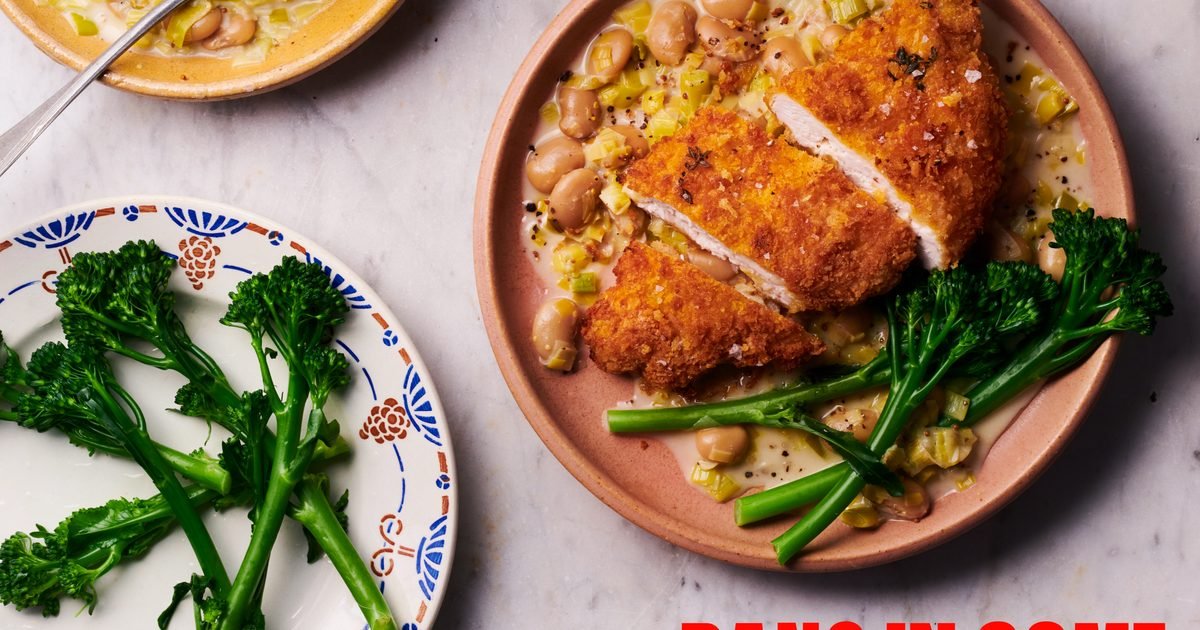
Most of us fall short of the recommended 30g of fibre a day, and beans and pulses are one of the simplest ways to close the gap. Below, Lulu Grimes has been adding them to just about everything, and she’s picked eight recipes where the swap is especially easy. If you’ve got a tin of beans or lentils at the back of the cupboard, there’s a use for it below.
See our collection bean recipes, butter bean recipes and black bean recipes for easy recipe inspiration.
Part of making it easier to change eating habits is adjusting what you already do, whether that’s adding a twist to a familiar recipe, tweaking the ingredients to suit you, or simply stirring in something extra to add both nutrition and bulk. When it comes to beans and pulses, if you buy them ready-cooked, you can simply stir them in and heat them through. I’ve bought so many beans recently that to clear them off my shelves and make room in cupboards, I’ve literally had to add them to every feasible meal. Please add any of your own tips to the comments and link any recipes.
Why you should be eating more beans and pulses
Beans and pulses are a rich source of protein (21-25%), complex carbohydrates (60-65%), dietary fibre (10-20%) and micronutrients including folate, thiamine (vitamin B1), riboflavin (vitamin B2), niacin (vitamin B3), pyridoxine (vitamin B6), iron, zinc, magnesium and potassium. They are low in fat and have a low glycaemic index, which means they don’t cause blood sugar levels to spike.
UK guidelines recommend an average adult consumes 30g fibre per day as part of a balanced, healthy diet, but most of us fall short of this amount. Good sources include beans and pulses. The soluble variety of dietary fibre found in pulses can aid digestive and bowel health, help lower cholesterol and reduce the risk of heart disease. Each variety of bean or pulse has its own nutritional profile, so it’s best to eat a variety of them.
About 3 heaped tbsp of any cooked pulse – beans, peas or lentils – count as one of your five-a-day.
Here are eight recipes that are stupidly easy to add some beans/lentils to (AKA Bang in Some Beans) – just think of all that added fibre!
Dinner recipes that get better with a can of beans
1. ‘Marry me’ chicken

Bonkers-ly popular, of course, and we do have a bean version, BUT to double the serving size of the chicken version (making it extremely good value per head), halve the chicken breasts, add 500-600g butter beans and heat everything through.
2. Chicken & chorizo jambalaya

Imagine this with added black or kidney beans – not classic (nor is this recipe), but you could and I would.
3. Slow-cooker beef stew (also works on the hob)

Add any kind of bean you’d like to this slow-cooker beef stew – black, borlotti or kidney beans would be lovely. Stir them in for the last 30 minutes of cooking. It would also work very well with small, firm green or black lentils.
4. Salade niçoise

Add white beans or chickpeas to this recipe, then double the dressing for a lush seasonal salad. Add the beans/chickpeas with the green beans so they soak up the dressing. This would make a fantastic platter for entertaining – just quarter the eggs so everyone gets a piece.
5. Grilled nectarine & burrata salad

This grilled nectarine and burrata banger would make a delightful ‘topping’ for cooked puy or beluga lentils – just break the burrata into pieces and double the dressing amount.
6. Sardine tomato pasta with gremolata

Add the whole can of sardines (I’m obsessed) and one of drained chickpeas to bump up the servings to two. I’d be throwing in more capers as well.
7. Mapo tofu

This Diana Henry recipe (from a collection of soy sauce ideas) is a winner. Add a can or pouch of drained black beans with the tofu, and you’ll get an extra fibre boost without any additional effort.
8. Kedgeree

I’ve never met a kedgeree I didn’t like, and this is no exception. And, yes, I add chickpeas to mine. I also boil the eggs if I’m feeling lazy.
How to cook beans and pulses (and when to skip the soaking)
- Buy ready-cooked beans in jars, cans or Tetra Paks, or cook up batches yourself and freeze them until you need them.
- You’ll need 100-120g dried beans to make the equivalent of one 400g can of cooked beans. Overnight soaking isn’t necessary, and food science writer Harold McGee says that 4 hours is enough to complete a soak. Soaking does help stop beans from creating as much foam while they cook, and can help make them more easily digestible, as they’re activated to start germination.
- You can also quick-soak: bring to the boil, boil for 3 mins, then let stand for an hour with the lid on. To speed up your bean cooking time, use the same liquid to cook the beans, and you’ll also have a better-flavoured liquid.
- Red and black bean varieties like kidney beans need to be boiled for 10 mins to bring their lectin levels down. Lectin can inhibit nutrient absorption.
- Dried beans take different amounts of time to cook, depending on freshness and type.
- Pressure cooking is the quickest way to cook beans from dried. (As always, if you are a pressure-cooking novice, consult Catherine Phipps). In the pressure cooker, unsoaked beans will take 30-50 mins plus coming up and down to/from pressure. I cook mine in the dish I’m making, like a chilli or soup, for example.
- Don’t add too much water to soaked beans – liquid should be 4cm above the beans in a pressure cooker and 2cm in a casserole. If the lid isn’t tight on the casserole, add more liquid if needed during cooking.
- You can add bicarb to the soaking water if you like, as this helps soften the beans. Personally, I don’t like the taste – if you use it, you’ll have to rinse them and throw out the soaking water.
- The minimum cooking time on a hob for beans that have had a quick soak is 10 mins boiling, plus 35 mins-1 hr 30 mins, depending on the size and age of the beans.
- Adding salt is fine – it can help with the cooking.
- Don’t add very acidic ingredients until your beans are soft; this inhibits the cooking of beans and they will take longer to soften, if they do at all. This includes large amounts of tomatoes.
More bean recipe inspiration:
Bean stew recipes
Baked bean recipes
Smoky chilli beans
Cauliflower cheese beans
Pinto bean recipes
Healthy bean recipes
