


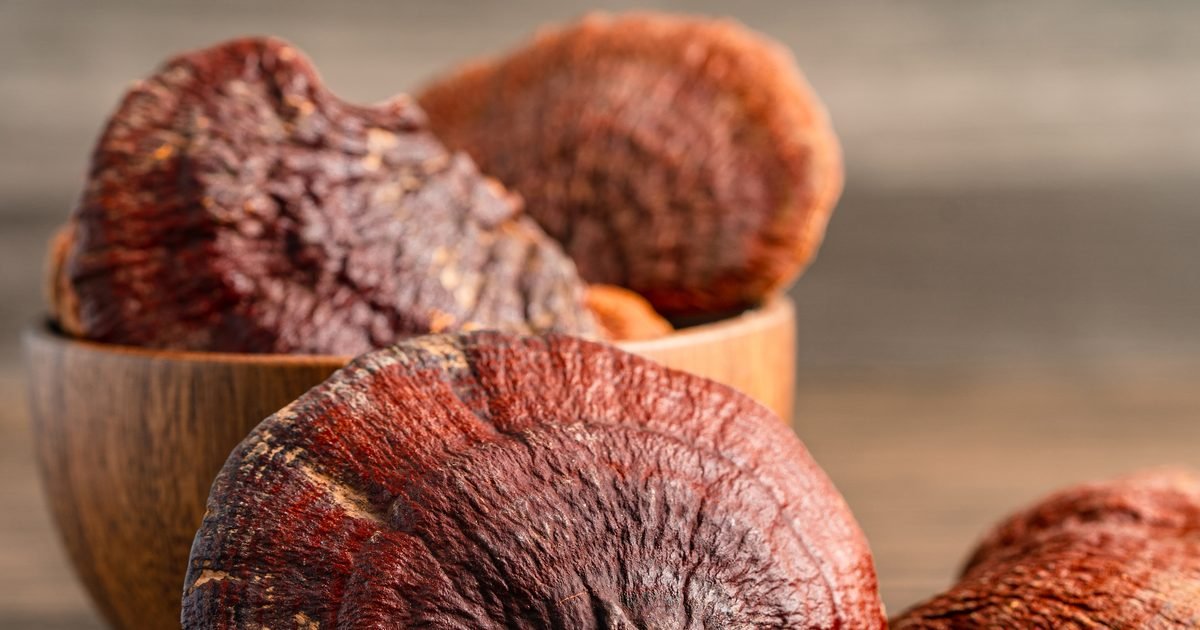
What are reishi mushrooms?
Reishi (Ganoderma lucidum or Ganoderma lingzhi) are large mushrooms (typically 5-20 cm in diameter) with a shiny appearance. They’re traditional in Eastern medicine, thought to promote long-term health and strengthen the heart, enhance memory and detoxify the body. Reishi are rarely found in the wild, and are instead cultivated for commercial use, usually available in shops as a nutritional powder, dietary supplement or tea.
Despite our social media feeds being awash with the many benefits of so-called ‘functional’ mushrooms, there’s currently not enough evidence to fully back many of these claims. That said, reishi mushrooms are one of the more widely studied types, with more than 5,000 publications reporting on their history and application, as well as the potential therapeutic properties of their active compounds.
Benefits may include:
- Good source of nutrients
- Contains antioxidant compounds
- May help calm the brain and relax the nervous system
- May reduce fatigue and improve sleep
- May support gut health
- May support immune function
- May promote anti-cancer risk
- May help manage blood sugar levels
- May improve heart health
- May have a hormonal effect
Discover our full range of health benefit guides and learn about the potential benefits of lion’s mane, and check out our expert guide on mushroom coffee.

10 potential benefits of Reishi mushrooms
1. A source of nutrition
Low in fat and calories, reishi are a source of protein and fibre, as well as bioactive compounds, including beta-glucans, triterpenoids and peptides. These compounds are thought to exhibit a wide range of therapeutic properties.
2. Contains antioxidant compounds
With reishi being rich in active plant compounds, studies suggest a protective antioxidant effect that may reduce the impact of some chronic inflammatory diseases like heart disease, diabetes and kidney disease.
3. May help calm the brain and relax the nervous system
Reishi extract is thought to promote relaxation through the action of compounds called triterpenes, which work with the nervous system to induce calm.
4. May reduce fatigue and improve sleep
These same compounds interact with a brain chemical called GABA (gamma-aminobutyric acid), which slows down brain activity, promoting stillness and helping you fall asleep faster and for longer.

5. May support gut health
Reishi are a useful source of beta-glucans. This soluble fibre acts as a fuel source (prebiotic) for the beneficial bacteria in the gut and, as such, may help maintain gut balance and health.
6. May support immune function
Beta-glucans acts as an immune modulator, with some studies suggesting it influences white blood cells. These are key immune cells for fighting infection and disease. That said, more research is needed to clarify the exact role beta-glucans might play.
7. May promote anti-cancer risk
Reishi’s ability to increase white blood cell activity is why one 2016 review suggested reishi may be used as an adjunct to conventional cancer therapy; however, more clinical studies and robust evidence is needed.
8. May help manage blood sugar levels
Some animal studies have suggested that certain compounds in reishi may help manage high blood sugar levels. However, a 2016 human study found no effect on fasting blood sugar or the long-term marker of blood sugar management haemoglobin A1c (HbA1C), so more research is needed in this area.
9. May improve heart health
Although some research suggests reishi extract may help lower lipid levels, including triglycerides and cholesterol, more studies are needed.
10. May have a hormonal effect
Functional mushrooms like reishi act as adaptogens – this means they help re-balance the body and adapt to stressors. In this way, reishi may help us better navigate stress, balance our endocrine function and manage specific hormone pathways. For example, during perimenopause, reishi may mitigate the effects of fluctuating oestrogen and progesterone by reducing stress levels, and in so doing, reduce symptoms such as hot flushes. Similarly, as a natural anti-androgen, reishi may inhibit the enzyme responsible for converting testosterone to the more potent dihydrotestosterone (DHT), reducing hormone-related acne and androgen-related hair loss.

Potential side effects
Some people may experience mild side effects when taking reishi, including nausea, stomach upset or dizziness. Reishi may also cause complications such as increased bleeding, low blood sugar levels and reduced blood pressure. Those on prescribed medication – including but not limited to anti-coagulants, diabetes or hypertensive medication or immune-suppressants – should refer to their GP for guidance. Those with liver or renal impairment should do likewise.
There is currently insufficient information to ascertain whether reishi is safe for pregnant or breastfeeding women.
Dosage
Research on what constitutes a recommended dose per day is currently inconclusive, and an effective dose is likely dependent on your age, underlying health conditions and your intended goals, as well as the form of reishi you take, with extract being more concentrated than the dried mushroom.
Therefore, at this time, further research is needed to determine optimal dosages and safety profiles and to fully quantify the potential risks and side effects. Like other dietary supplements in the UK, mushroom products are regulated under food law; this means they don’t require license or registration and you don’t need a prescription. It also means that because of the current lack of robust evidence, the use of health claims is restricted – it’s worth keeping this in mind when you’re reading marketing material.
In terms of when to take your daily dose, the best time depends on your health goal – for those wishing to enhance sleep, take 1-2 hours before bed for its antioxidant protection take in the morning.
How long does reishi take to work?
Reishi may take two to four weeks to work – this is because being an adaptogen, its benefits accumulate over time.

Lion’s mane vs reishi mushrooms
Lion’s mane has a reputation for improving focus, memory and cognition. This is therefore the mushroom of choice if you’re looking to shift brain fog, boost productivity or aid study. Reishi is best for stress relief, immune support and improved sleep; as an adaptogen, it may help calm the nervous system and regulate the body’s response to physical and emotional stress. The properties of the two mushrooms complement each other and can be taken together, with lion’s mane taken in the day and reishi at night.
Read more about the benefits of lion’s mane.
Overall, are reishi mushrooms safe?
Unless you fall into one of the groups that should avoid reishi or you have a mould or fungi allergy, then reishi is generally considered safe, as long as you choose a reputable brand that has been subject to the appropriate quality checks and you take a dose appropriate for your circumstances.
Enjoyed this? Now try:
Are mushrooms good for you?
Find out the benefits of what’s being hailed as an all-natural, wonder health product
The best supplements, tried and tested
Do supplements work?
What are green supplements?
All health content on goodfood.com is provided for general information only, and should not be treated as a substitute for the medical advice of your own doctor or any other health care professional. If you have any concerns about your general health, you should contact your local health care provider. See our website terms and conditions for more information.
