


Over the last few years, beauty has seen a massive blurring of lines between the wellness and health space and its convergence with beauty.
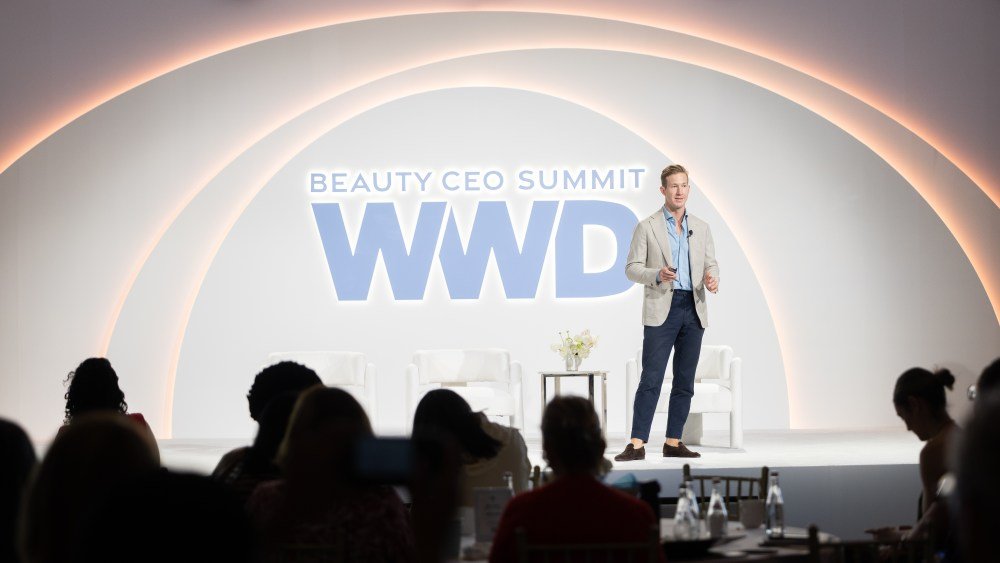
In a presentation at the WWD Beauty CEO Summit, James Hart, president of YipitData, spoke about the current lack of separation between all categories and how inner beauty and supplements are driving growth.
While the company has been around for the past 13 years, YipitData started in beauty in the past two years — but has seen growth quickly in the space. Now, the market research firm works with more than 650 companies, including public and private investors and publicly traded companies.
The company has tapped into more than 12 million U.S. shoppers and their purchases both digitally and in-store, accessing data from Amazon, Walmart, Sephora and more.
“There’s a convergence of beauty, of wellness and supplements, across all ages,” said Hart. “This blurring is the next stage of growth — for those brands and retailers who take advantage of this are going to be the ones who ultimately win.”
One of the noteworthy shifts YipitData has seen is the rise of holistic beauty, i.e., ingestibles, topicals and lifestyle products becoming part of a consumer’s beauty routine. “In every dimension of beauty, these products are becoming more functional. Makeup behaves like skin care, body care is premiumizing,” he continued.
The rise in overall health trends such as preventive care, longevity and GLP-1 adoption is also pushing consumers to think about beauty more broadly.
“Supplements are the fastest growing sector and we continue to see it to be this over the next 10 years,” said Hart. “$700 million in sales is a real number for beauty supplements alone, but more importantly, it’s growing at a 20 percent rate, which is outpacing the broader beauty market.”
Hart shared that this growth points to the why for consumers, who are looking for long-term solutions to systemic concerns and not just a short-term fix. And there’s been a growing awareness among consumers about skin aging and acne that are linked to internal factors of hormones, strength, stress and metabolism — making ingestible products more effective.
Amazon has become a dominant force in supplements and has 43 percent of the supplement category, according to Hart. Walmart and Target trail with 40 percent, Ulta Beauty owns 7 percent and Sephora captures 2 percent. But Ulta remains the fastest growing of all retailers — purchases in supplements have grown from 0.6 percent to 1.2 percent in the past two years.
Nutrifol has become one of the biggest companies on the market — capturing $1 of every $5 spent on supplements, or 20 percent of the market. New formats have also rapidly been released with gummies, ingestibles, drinks, powders and more.
Hart noted that this shift isn’t just for one generation or cohort — this is a complete consumer behavior change across generations and demographics.
“What’s happening isn’t just that the consumer is rapidly changing in terms of demand, but also the products are rapidly evolving. There’s a really big opportunity for brands that want to lean into this by delivering what their customers want and gain some of this share — especially with the new growth that’s to come over the next decade,” Hart concluded.
