


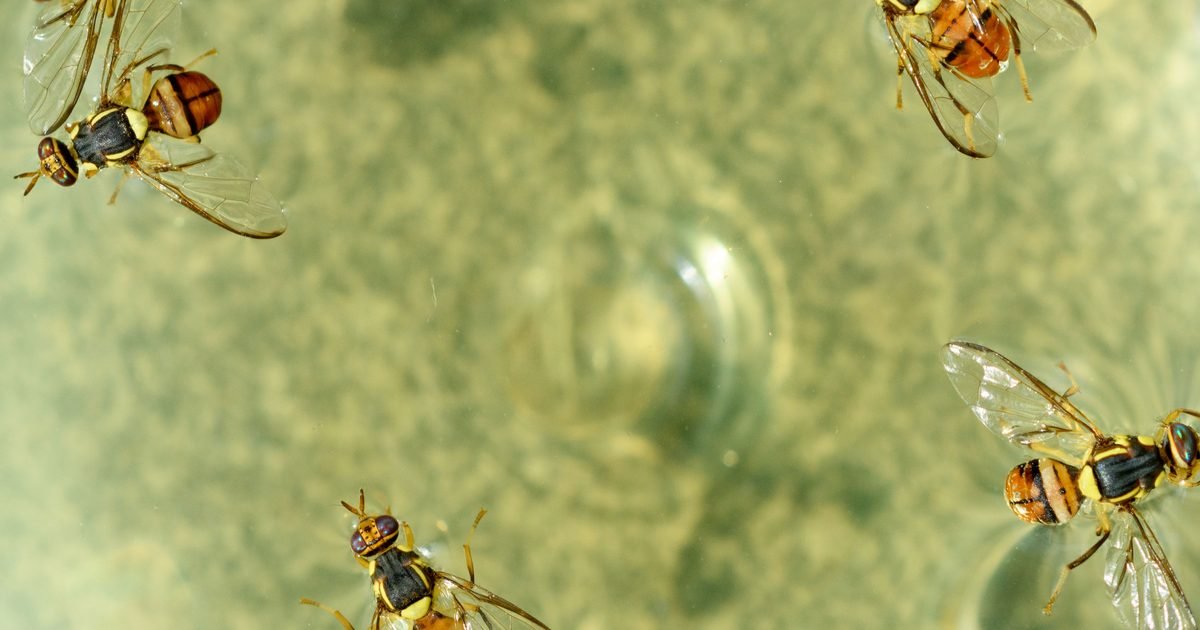
“I’ve been writing and testing recipes for over 30 years and have has as many years of practice keeping my kitchen free from winged intruders. Fruit flies are attracted to the smallest spillage or overripe piece of fruit and arrive the moment they get wind of one, so cleaning as you go and keeping on top of your fresh produce is the best policy.”

Start here: fastest way to get rid of fruit flies today
Remove source → set trap → clean surfaces
As the name suggests, fruit flies love overripe, fermenting and rotting fruit as well as vegetables too. You can come across a flurry of these tiny brown flies any time of year but they are generally more common in the summer and autumn months when the temperature is higher, causing fresh produce to ripen more quickly.
Fruit flies can covertly make their way into your kitchen as eggs laid on extra ripe or fermenting fruits and vegetables. They’ll also simply fly in uninvited, attracted by the smell given off by overripe fruits and vegetables that are kept out of the fridge. As pests go, fruit flies reproduce rapidly, with females laying hundreds of eggs that hatch into maggots in 24 hours, that in turn need as few as six days to turn into fruit flies. Their speedy life cycle requires a quick response to stop a handful of fruit flies turning into a full-scale infestation. This guide covers how to trap as well as prevent fruit flies.
For more kitchen hygiene guides, find out how to clean your kitchen, what to put where in the kitchen, plus 10 ways to spring clean your kitchen.
We also have our guide on the filthiest appliances in your kitchen, plus quick and easy ways to get rid of ants in the kitchen.
What causes fruit flies in your kitchen?
Fruit flies are drawn to fermentation and decay – they can smell overripe or rotting organic matter from a surprising distance. They can also hitch a ride on produce bought from the shop.
Common triggers include:
- Overripe or rotting fruit and veg left out
- Unsealed bins with food scraps or unwashed recycling
- Slow or gunky kitchen drains
- Spills from juice, alcohol or sugary drinks
- Damp cloths, sponges or standing water
The best way to get rid of fruit flies
While locating and disposing of the offending food source is a necessary first step, the most effective way to scoop up the remaining fruit flies is with a homemade DIY fruit fly trap. A DIY fly trap works by baiting fruit flies with a sweet-smelling, fermenting liquid, luring them into a trap where they’re then stuck and drown in the liquid.
As well as setting up a DIY fruit fly trap, you’ll also need to remove all other potential food sources for the fruit flies. Put fresh fruit and vegetables in the fridge or seal in zip-lock bags. You’ll only need to do this for a few days or until the remaining fruit flies are dealt with.
DIY fruit fly traps
All these homemade traps are easy to make and use household products you probably already own.
Materials to make a DIY fruit fly trap:
- A jar or cylinder-shaped container
- Bait (see below)
- A drop of washing-up liquid
- Something to seal the container: a jar lid, cling film and elastic band or a paper funnel held with sticky tape
- Something to make small holes: nail and hammer, a pin or toothpick
Bait the fruit fly trap

The bait needs to be enticingly pungent enough to lure the fruit flies into the trap. Apple cider vinegar is the most reliably effective bait but alternatives include wine, orange juice, banana peels and honey.
Once you’ve decided on your bait, put in enough to fill the bottom of a jar or container. If you’re using a fairly viscous product then add a splash of water and give it a stir.
Apple cider vinegar traps work best because they mimic fermenting fruit, which fruit flies are naturally drawn to.
Adding washing-up liquid

Incorporating a drop of washing-up liquid to the bait increases the chances of the fruit fly trap working well. The detergent helps by reducing the surface tension, causing the fruit flies to drown more easily. It also coats the flies in a thin layer of the detergent making it much more difficult for them to get out of the bait liquid. Keep in mind that a heavily perfumed detergent is likely to deter rather than entice the flies, so where possible use an odourless washing-up liquid.
Sealing the trap
Once the flies have found their way into the trap you need to keep them there. There are three workable tried-and-tested ways for sealing the trap so that fruit flies will find their way in but not out:
1. Jar with lid trap
The most effective way of keeping fruit flies inside a DIY trap is by sealing the jar with a lid that has a few very small holes. Use a nail and hammer to perforate a metal lid, then screw on tight.
2. Cling film trap
Tightly wrap a piece of cling film over the top of the jar or container of bait and hold it taut with an elastic band. Next use a pin, toothpick or similar to poke a few tiny holes in the cling film.
3. Paper funnel trap
Roll a piece of paper into a cone and seal it with sticky tape. Put the tapered end of the cone into the jar or container so that the fruit flies access the bait via the small hole at the bottom. The larger end of the cone should be sealing the top of the jar or container. While the paper funnel isn’t sealed, the shape means that fruit flies often can’t find the hole to get out.
You should notice fewer flies within one to two days – repeat for up to a week if infestation is heavy.
Do DIY fruit fly traps actually work?
“If you already have fruit flies in your house then you’ll need to use traps to get rid of them, and if you don’t start tackling the problem by cutting the number of flies, they will keep reproducing in an eight to 10 day cycle, each fly generating hundreds more. Using traps to get rid of flies will only have long-term efficacy if you also work at stopping the flies from breeding. This means making sure there is nothing attracting new flies so you can break the cycle. You’ll also have to work out what attracted the flies in the first place and then dispose of the offending items or, if it’s a drain pipe, clean it thoroughly.”
How long does it take for a fruit fly trap to work?
You’ll need to wait anywhere between a few minutes and 24 hours to see fruit flies caught in your DIY fruit fly trap. This will depend on the severity of the fruit fly infestation which, if severe, may require a different approach.
Other ways to get rid of fruit flies
There are commercial fruit fly traps available if you don’t have the materials or inclination to make them.
By using glue-like surfaces or fly tape, sticky-surface traps catch fruit flies as they get stuck to the adhesive. Both PIC Fruit fly trap and Blooven Fruit Fly Traps use this method to trap fruit flies.
Pre-made liquid baits, such as Super Ninja Fruit Fly Trap, Repulseo Fruit Fly Trap and Novokill Fruit Fly Trap use tried and tested bait formulas.
Where do fruit flies lay eggs (and what to clean first)
“Fruit flies are attracted to everything from your fruit bowl to an opened bottle of wine or vinegar, your sink and cleaning cloths, food waste and any sticky spills that haven’t been wiped up.”
- “Fruit bowls: These are usually the main culprit for attracting flies. Check any fruit over daily, making sure the peel isn’t damaged or that the fruit hasn’t started to overripen. Move any very ripe fruit to the fridge until you can eat it
- Veg: Check anywhere you may have stored veg – forgotten bags of potatoes or onions can rot, and veg delivery boxes can arrive with damaged or overripe produce
- Wine, cider, beer and spirits: Wipe away any spills and check for sticky residue on bottle caps
- Bread bins: White bread or any baked goods that are yeasty are attractive to fruit flies – keep these products in closed containers or freeze bread and use it as you need it (this also helps stop food waste)
- Pantry items: Vinegars, jams and chutneys, or anything similar, should be clean on the outside and stored away from fruit fly temptation
- Counter top food waste bins: Keep the outside of these clean and make sure you use a proper caddy with a lid that fits tightly
- Bins: There should be no food in your bins now food waste collection has been rolled out in the UK but you do need to make sure that any recycling is properly cleaned and that non-recyclable items are not in a bin that is accessible
- Surfaces: Wipe surfaces that have had food on them and remember to check rooms other than the kitchen if food has been eaten in them
- Washing up: Do this is a timely way, don’t leave things hanging around or put them in the dishwasher and close the door
- Cleaning cloths: Keep them clean and don’t leave them hanging around wet – fruit flies lay eggs in damp environments”
How to stop fruit flies coming back
“Once you’ve got rid of fruit flies, you’ll need to keep on top of produce storage and kitchen cleaning to keep them away.”
- “Shopping: Sort fresh produce into the appropriate storage places as soon as it comes into the house and make sure you check over leftover fruit and veg and use it first
- Washing up: Do this as soon as you can, especially in hot weather. Rinse mugs if you’ve been drinking fruit teas and glasses if you’ve had a fermented drink like kombucha or have added a slice of citrus to your water
- Sinks: Make sure your sink is clean right down into the drain, pour a kettle of boiling water down the plug to kill off any eggs or larvae that may be living there
- Bins: Empty these often, particularly food waste caddies
- Kitchen cloths: Put these through your wash cycle to give them a thorough clean”
How to prevent fruit flies

The most effective way to prevent fruit flies is to create an environment where fruit and vegetables aren’t left to rot. As soon as you bring home fruit and vegetables, gently scrub them under running lukewarm water and allow to drip dry. Washing fresh produce removes any eggs, larvae and traces of fungi, as well as other bacteria, germs and pesticides, and maximises the lifespan of the produce. Throw away any fresh produce that is fermenting or rotting.
Keep fruit flies away by storing fresh produce in the fridge, freezer or in sealed bags or containers. If storing produce in the fridge, allow enough time for it to reach ambient temperature before using to access the same flavour. Follow good kitchen hygiene by regularly wiping down surfaces that have come into contact with food, sweeping up crumbs after mealtimes and routinely taking out the bin.
FAQ section:
“Why do I suddenly have fruit flies?”
“Fruit flies always seem to appear out of nowhere, they have an acute sense of smell, particularly for the fermenting aromas of ethyl alcohol and acetic acid. If you have any of these aromas in your house and there are fruit flies anywhere in the vicinity, they will find the source. They can fly a surprisingly long way.”
“Can fruit flies come from drains?”
Fruit flies like to breed in damp areas so drains are attractive to them, as are your damp kitchen cloths. If this has happened, once they hatch they may appear out of the drain. Clean drains by pouring down boiling water, or mix 1 cup each of boiling water and vinegar, pour ½ cup of bicarbonate of soda down the drain and pour the vinegar mix on top. Leave for 10 mins and then flush the drain with hot water. To keep future flies at bay use enzyme cleaner sticks in your drains to stop food build up.
“How long do fruit flies live?”
Fruit flies can live up to 45-50 days.
“Do fruit flies bite?”
“Fruit flies do not bite and are not harmful to humans per se but what they can do, like most flies, is spread diseases with their feet as they move between food sources.”
Still seeing flies after a week?
Try combining traps with a full kitchen clean. “It doesn’t take long to get rid of fruit flies but you do need to find where they breed so you can eliminate the source of future flies. Keep your kitchen clean and any attractive foods and liquids out of range.”
Related articles
Best food storage containers for your kitchen
Best eco cleaning products for your kitchen
Green kitchen swaps
How to descale a kettle
How to clean brewing equipment
How to clean a coffee machine
How to clean an air fryer
How to clean a microwave
How to clean a dishwasher
How to clean an oven

1 Comment
Pingback: Essential Healthy Diet Tips for a Balanced Lifestyle - HealthyDietTips