


You never forget your first time foraging for ramps.
For me, it was back home in rural western Pennsylvania. My cousin Andy—my initiator into the mysteries of the coveted wild garlic, or “wild leeks,” as they’re sometimes called—drove us down a winding back road enveloped in a lush canopy of trees. Reaching his coordinates, which happened to be on public land, he parked just off the side and threw on his hazards. He walked me down a small hill into a cool expanse of forest floor, and there it was: an emerald field filled with two- and three-leaf shoots blowing gently in the breeze. We were looking at hundreds of sprouting ramp plants. There’s an entire civilization of garlic down here, I thought. An Italian American’s wet dream.
I knelt to inspect one. The feathery leaves curled outward as though requesting a handshake. The smell was intoxicating. God, I don’t want to ever forget that smell—fresh and fragrant, garlic in its most floral form massaging my nostrils. For a fan of garlic, this was tantamount to an apple pie sitting on an open windowsill, with me the cartoon animal levitating toward the prize. As we carefully plucked a few dozen to stuff into our grocery bags, I wondered at how all of this bounty was just out here, free for the taking.
It isn’t always that way, it turns out.
Last spring, according to the local news site Echoes of Appalachia, visitors to the Nantahala National Forest in western North Carolina noticed something strange going on. “Groups of people left the woods carrying containers filled with ramps in quantities far greater than what a family meal or a small community gathering would require,” Tim Carmichael wrote. “Concern grew among hikers and local residents who understand the delicate nature of ramp populations.” They reported the activity to the U.S. Forest Service. When officials patrolled the area of concern, they uncovered “a large scale poaching operation that had removed hundreds of pounds of ramps from the forest floor.”
Officers ultimately confiscated about 425 pounds of illegally harvested ramps. After the bust, forest cops—my new favorite phrase—posed with piles of the wild garlic in the style of a marijuana raid.
While personal foraging of the sort I’d done in Pennsylvania is also allowed in the Nantahala, commercial foraging—gathering large amounts of a plant or fungus for profit—is prohibited, precisely because of the “delicate nature” of ramps that Carmichael noted. Ramps are slow to mature, taking seven to 10 years to grow from seed. Taken with their demanding housing requirements—they prefer distinct seasons, moist, nutrient-rich soil, and a canopy of deciduous trees in a cool woodland area—this long development period means that they can’t be grown commercially at scale. The only way to get them is to forage.
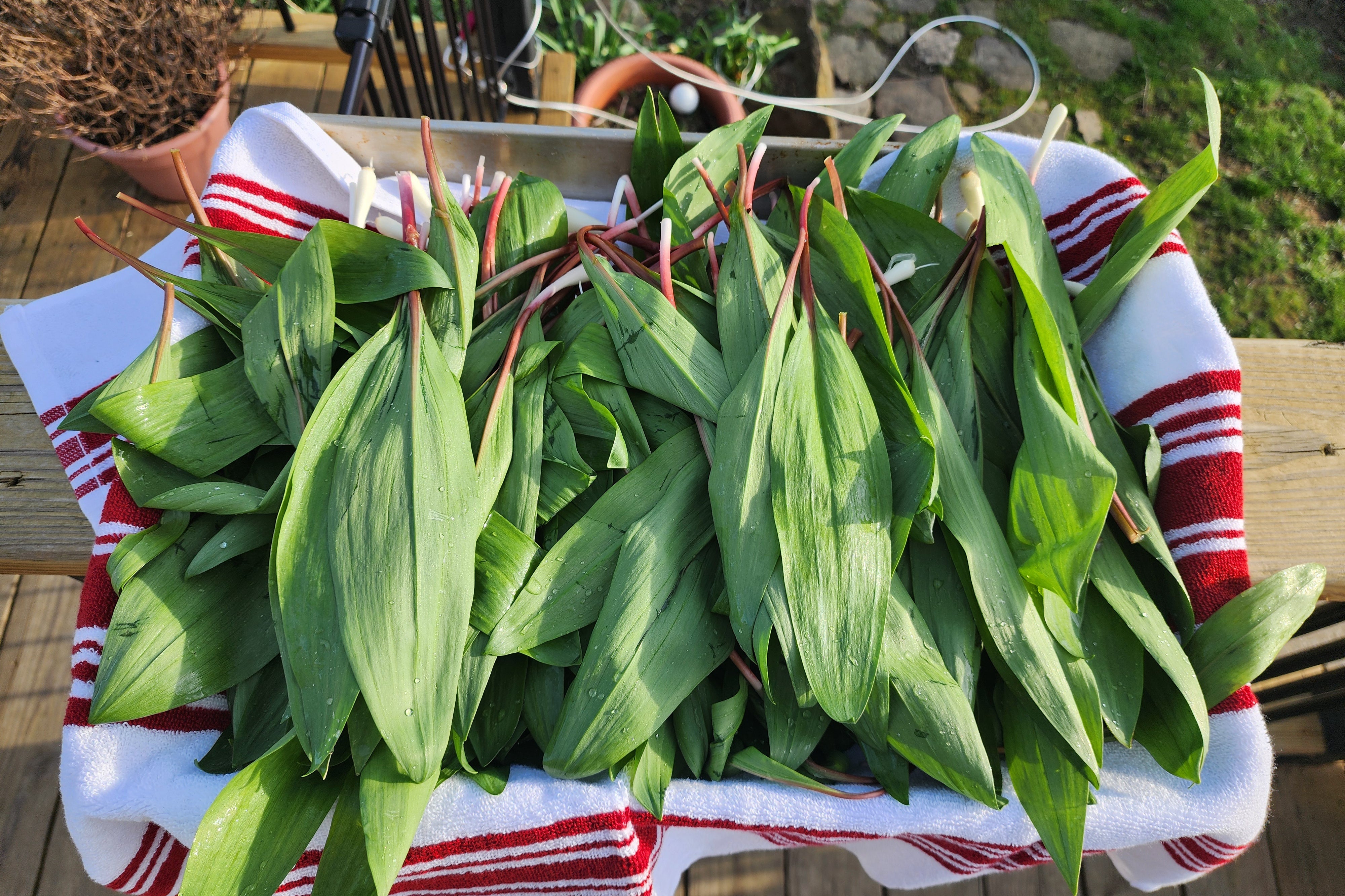
Yet we live in a culinary moment when, each spring, the foodies among us positively get the shakes over ramp butter, pasta, pesto, and pickles. The demand for ramps has never been higher, and that voracious appetite in turn demands a level of harvesting that threatens ecosystems, traditional foodways, and possibly the plant’s very existence.
When did collecting something the earth produces freely turn from a thrifty pastime to a criminal enterprise worthy of the label “poaching”? And who, really, is to blame? Sure, the so-called poachers are the ones with dirt on their hands. But all drug trades require a network of suppliers and users, and the flow of ramps in the U.S. has come to take on a similar shape. The trouble that portends for these wispy but mighty plants has already begun to come into view.
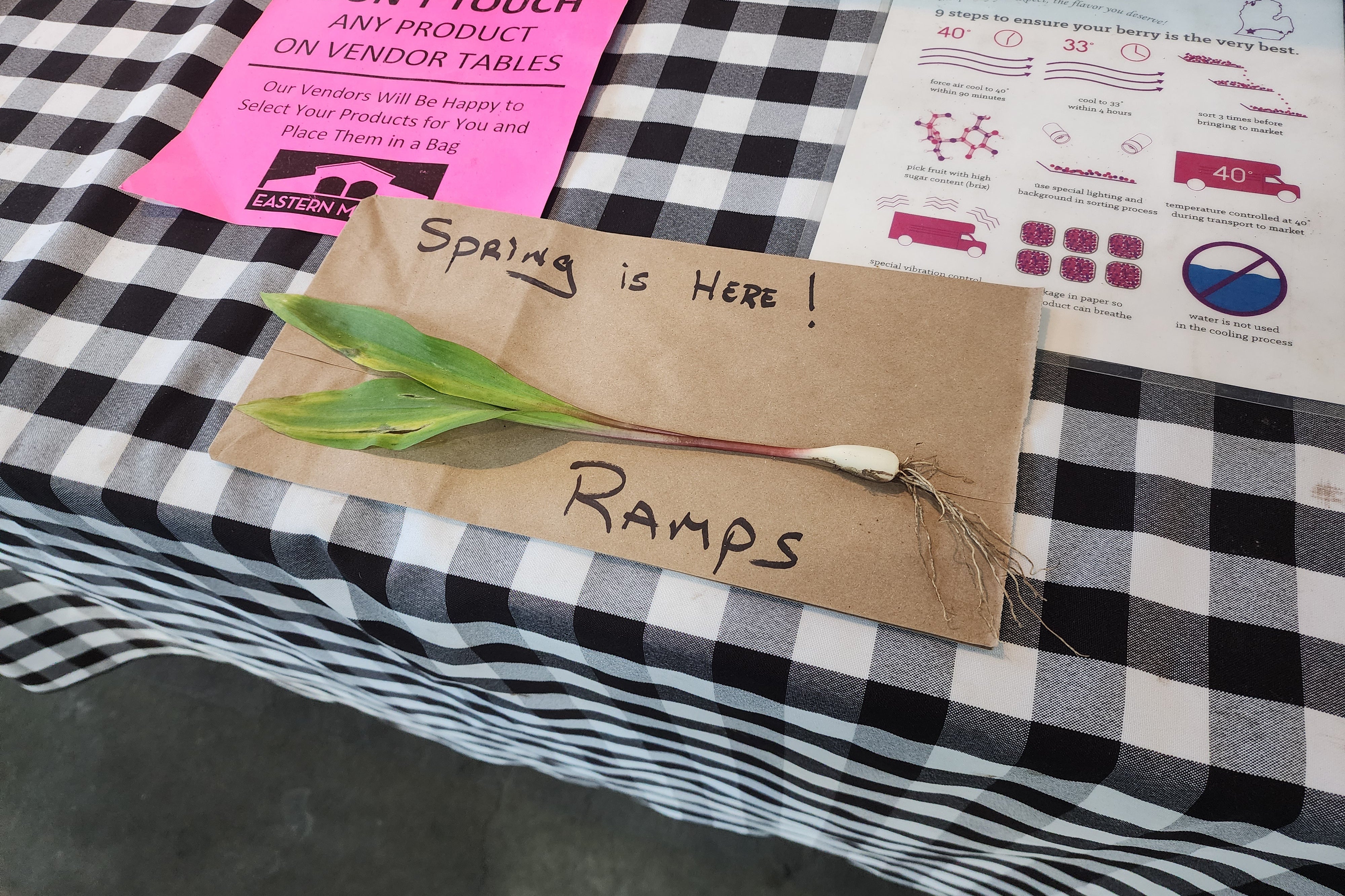
The most important thing to know about ramps up front is that they are ephemeral. Allium tricoccum is a perennial that lives a short, beautifully pungent life throughout Appalachia, the Northeast, and parts of the Midwest. It doesn’t grow anywhere out west, so if you live west of Minnesota and someone is trying to sell you “local” ramps, keep walking. Its fragile leaves emerge in the early spring and wilt by the early summer, leaving only the precious bulb buried in the ground to carry on the ramp’s legacy.
All this fussiness means that at a farmers market, ramps can go from $20 to $30 a pound. Despite the relatively steep price, ramps are prized for their ability to enhance any dish with an invigorating garlicky, grassy spike, and restaurants are willing to shell out for them in large quantities. So if you’re somebody who happens to live near a large cache of these plants, you can see how those unassuming leaves could easily curl into dollar signs. Zero overhead. One hundred percent profit. Just grab your grocery bag and get to picking.
But ramps don’t only represent forager gold; in Appalachia, they’re woven into the fabric of cultural identity. In places like Richwood, West Virginia, ramps are integral to the life of the community: The Feast of the Ramson festival, which just celebrated its 87th year, is an annual dinner that honors ramps by featuring hundreds of pounds of the stuff. (This year, about 1,000 people attended.) You see, for Appalachians, ramp season is reason for joy. It’s a boon for thrifty home kitchens where there’s value in food sovereignty—that is, relying on local agriculture and seasonal ingredients more than undependable and extortionate grocery store conglomerates. In these places, ramps are one of the most exciting crops of the year, adding immediate flavor to humble meals like eggs, sandwiches, pasta, and salads.
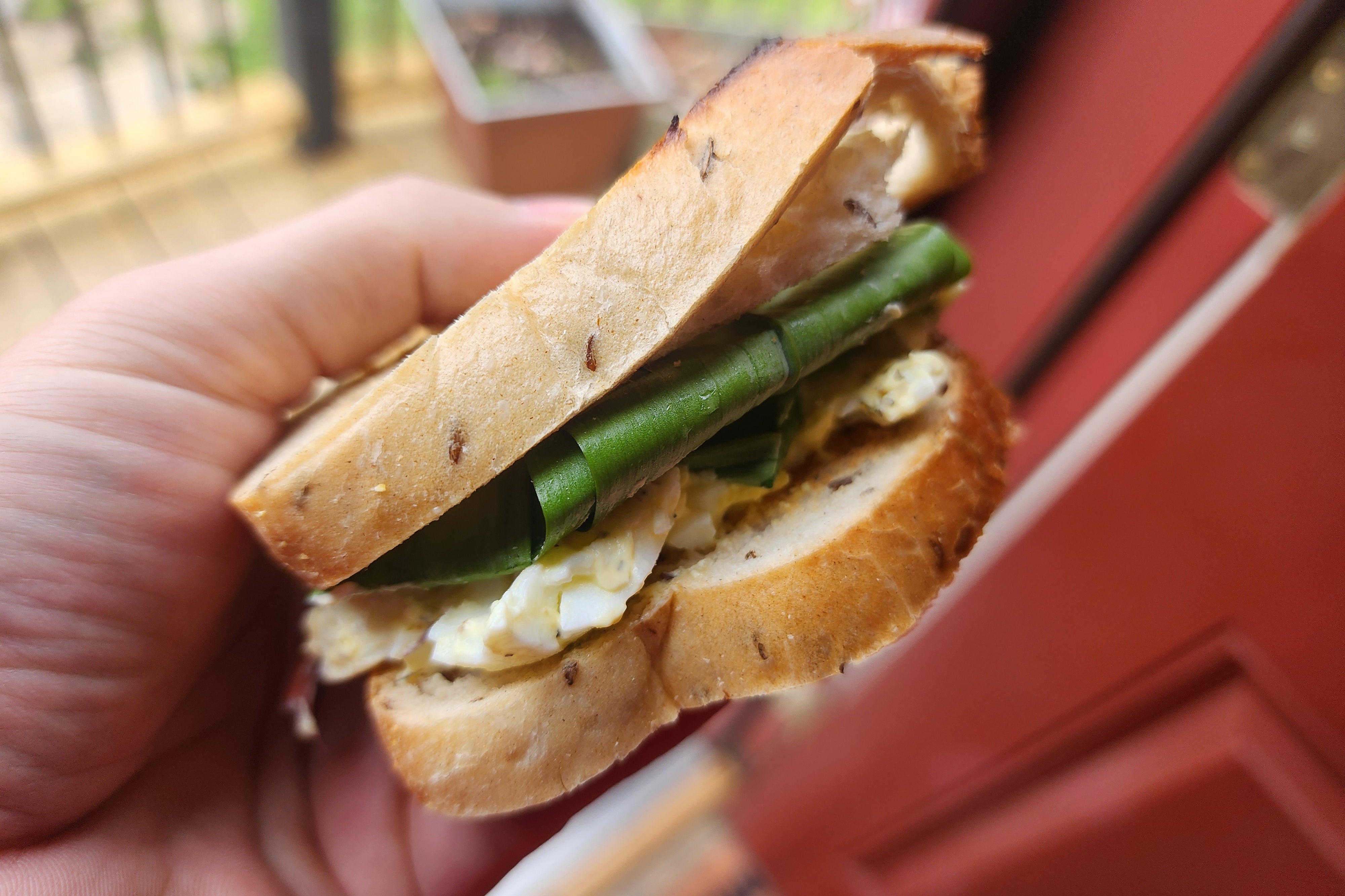
When I lived in Pennsylvania, my go-to move was to sauté them for breakfast—butter scrambled eggs on crunchy sourdough toast with olive-oil-cooked ramps. I could eat ramps and eggs for two weeks straight and not get sick of the combination. In fact, I have done that. So while I forage ramps for myself and occasionally for others (a bag of wild garlic makes a much better birthday present than a gift card), I also understand the appeal of commercial foraging, of harvesting ramps for real cash. And foragers are pretty open online about picking and selling them, often without the permits that some areas require.
Consequently, the Department of Agriculture already lists ramps as a species of “special concern.” In recent years, Tennessee has listed them as “threatened,” and New York lists them as “endangered.” If we’re not careful, this extremely vulnerable allium will soon end up on other states’ endangered species lists, eventually disappearing from certain regions—and our tables—entirely. Maria Dunlavey, a botanist for the Nantahala National Forest, explained the challenge to me via email: “Ramps are deeply rooted to the culture of Southern Appalachia, sustainably harvested by Cherokee and broader Appalachian communities for generations. Our goal is to ensure sustainable harvesting, so future generations can continue this tradition by setting common-sense limits.”
So what do those limits look like? Foraging laws vary from state to state and region to region. Take Cook County, which includes Chicago, where foraging of any kind in a forest preserve is prohibited. Stacina Stagner, the communications manager at Forest Preserves of Cook County, told me why ramp foraging is a no-go there: “It’s a practice that’s unsustainable. It’s 5.2 million people. We have over 70,000 acres of public land. We are the stewards for that land. If you allow foraging, you can’t accommodate so many people to do that.” Stagner said the preserve’s officers hand out hundreds of citations a year, ranging from warnings to fines up to $500.
Back in 1995, Quebec banned the commercial harvesting of ramps, listing them as a vulnerable species. Foraging ramps from Shenandoah National Park in Virginia is banned completely. In other counties, ramps are OK to pluck from state parks and public lands for personal use, with the general metric being “one grocery bag.” But unless a bad actor is being dump-truck-into-the-woods obvious with their intent, ramp harvesting is a difficult thing to police. It’s not as if there’s a bouncer at the beginning of every trailhead. And even the monitored areas are suffering harvesters clearing out entire patches without regard for the ecosystem or their neighbors.
This is where foraging crosses the line into poaching. This may sound like a dramatic word to use for little garlic rather than big game, but it’s now a widespread term, and I believe it’s fair: Poachers are real, and their ramp razing is not only a problem of conservation and biodiversity and a threat to Appalachian culture; it’s also a question of ethics for chefs, home cooks, and the rest of the ramp-devouring public.
Sarah Nilson, an associate professor of biology at Penn State Beaver, has been researching ramp biology and sociology for years, and she and her colleagues have published numerous studies about ramps in international journals. I first came across Nilson in a video for West Virginia Public Broadcasting about sustainable ramp harvesting: “You know, it was fine when you would just go in the spring and harvest for your own family and friends,” says Nilson in the video, her arms shrugged out in frustration. “But when you’re selling to Whole Foods, and selling to these other grocery stores, or selling to restaurants in New York City, it really changes the game.”
Nilson started focusing her work on ramps a few years ago, during the beginning of the national ramp craze, which, according to her, really peaked during the COVID-19 pandemic. It was then that people started foraging more, and ramp awareness reached new heights. But Nilson noticed that no one was actually studying these plants. “We know they’re digging them up, but nobody knows about how much people are digging, nobody knows about their genetics,” she said. An inflection point for Nilson was seeing Rachael Ray cooking with them on TV. It was then she knew we had reached critical mass. The Rachael Ray effect: a sure sign we’d gone too far.
Poachers may be the ones physically yanking these threatened plants from the ground, but the blame lies not only with them. Culturally, it’s chefs, food writers, and recipe developers (hey, that’s me) who are perpetuating the ramp craze. Recipes for ramp butter and ramp pesto, photos of foraging hauls on social media, and restaurants giddily announcing ramp availability have all contributed to this allium’s prized position in the culinary zeitgeist. Before the gastronomic elite chose ramps to be the harbinger of spring, they were a niche ingredient known mainly to a particular region. In short, our lust for ramps—for their flavor, yes, but also for their seasonal exclusivity—is what’s driving people to head into the forest and risk jail time.
I’ve actually had the displeasure of meeting a poacher, and it spooked the hell out of me.
“You can get a permit, but a lot of people don’t get permits,” Nilson told me, referencing the findings of her surveys, which she conducted among mostly Pennsylvanian harvesters. “We just did some commercial studies. We talked to a lot of people. They were rooting 11,000 to 17,000 ramps per harvester. They think of it like foraging mushrooms, and it’s a completely different thing happening.” With mushrooms, most of the fungi’s structure is underground, the mycelium. When you pluck a mushroom (aka the “fruiting body”), you generally aren’t removing the organism completely from the earth. But when you pull up a ramp, you’re removing the entire thing. It’s why so many ethical foragers recommend leaving ramp bulbs in the ground, picking only the stem and the leaf, so that the plant can recover and propagate.
“Every year, they’re disappearing,” Nilson said. She has seen people dig up ramps, then sell them on Facebook Marketplace. There’s one ramp site in Indiana County, Pennsylvania, that’s almost wiped out completely. And back in North Carolina, Dunlavey, the Nantahala botanist, sounded a similar alarm: “While we still have healthy ramp patches, long-term monitoring through the Forest Service Southern Research Station shows that among the 25 tracked patches, 92 percent are in decline.” She said that if overharvesting continues, stricter regulations may be needed to protect what remains.
So who are these poachers? Well, it should be said that some of them are just folks trying to make a living and going too far. (I have yet to see an honest forager drive a Maserati.) But others are reckless opportunists trying to make bank. I’ve actually had the displeasure of meeting one of them personally, and it spooked the hell out of me.
Let’s call this forager Jack. The first time I met Jack, it was in Hell’s Hollow, a wilderness and hiking area in McConnells Mill State Park that I’ve been going to since I was a kid. A few years back, I was strolling along the woodsy trail when Jack grabbed my attention from beyond the path. He wore camouflage and had appeared seemingly out of nowhere—there was something about him that I immediately recognized as seedy. He had a lit Marlboro Red dangling from his mouth. He was chatty, regaling me with his triumphant foraging exploits. With him in tow were three different laundry sacks, each one full of chanterelles, chicken of the woods, and black trumpet mushrooms. (This was in August; later, I found out he supplies local restaurants and grocery stores with ramps in the spring.)
I couldn’t get Jack to shut up about his haul. When I told him I was a writer, he said, with bravado, “You should interview me.” I subsequently learned that he lived with his mother and that he had been banned from Facebook for God knows what. To get cornered by this type of character in the woods is equal parts strange and disconcerting. It crossed my mind that there might not be anybody else around for a mile, that if I screamed only the woodpeckers would hear me.
Remember my cousin Andy? He has taught local foraging classes, and he also knows Jack. I asked Andy a little bit about Jack’s psychology: Why on earth does this guy forage, and why do grocery stores and restaurants buy from him? “He’s an underworld character,” my cousin said. “He doesn’t have the means to make a living in the normal world, so he resorts to environmental exploitation.” The word pirate came to mind, someone who pillages for profit because the grind of the regular world doesn’t suit him. “He knows enough to know it’s wrong,” said Andy, who told me he thinks Jack recently got a foraging license but for years was operating without one. That means that the local grocery stores and restaurants that used his ramps weren’t really checking his credentials, and Jack had been selling to those places for years.
Ramp populations continue to hang on by a thread so long as there are laws in place, but for the small Appalachian family, or Indigenous tribes living on the land, their traditions are threatened by such poachers. And demand for the plant—some amount of which must be satisfied by the likes of Jack—is only growing, having now reached as far as the West Coast. Nilson appeared especially surprised when I told her that ramps are all over Los Angeles restaurants this year. The problem, it seemed, was way worse than she had imagined.
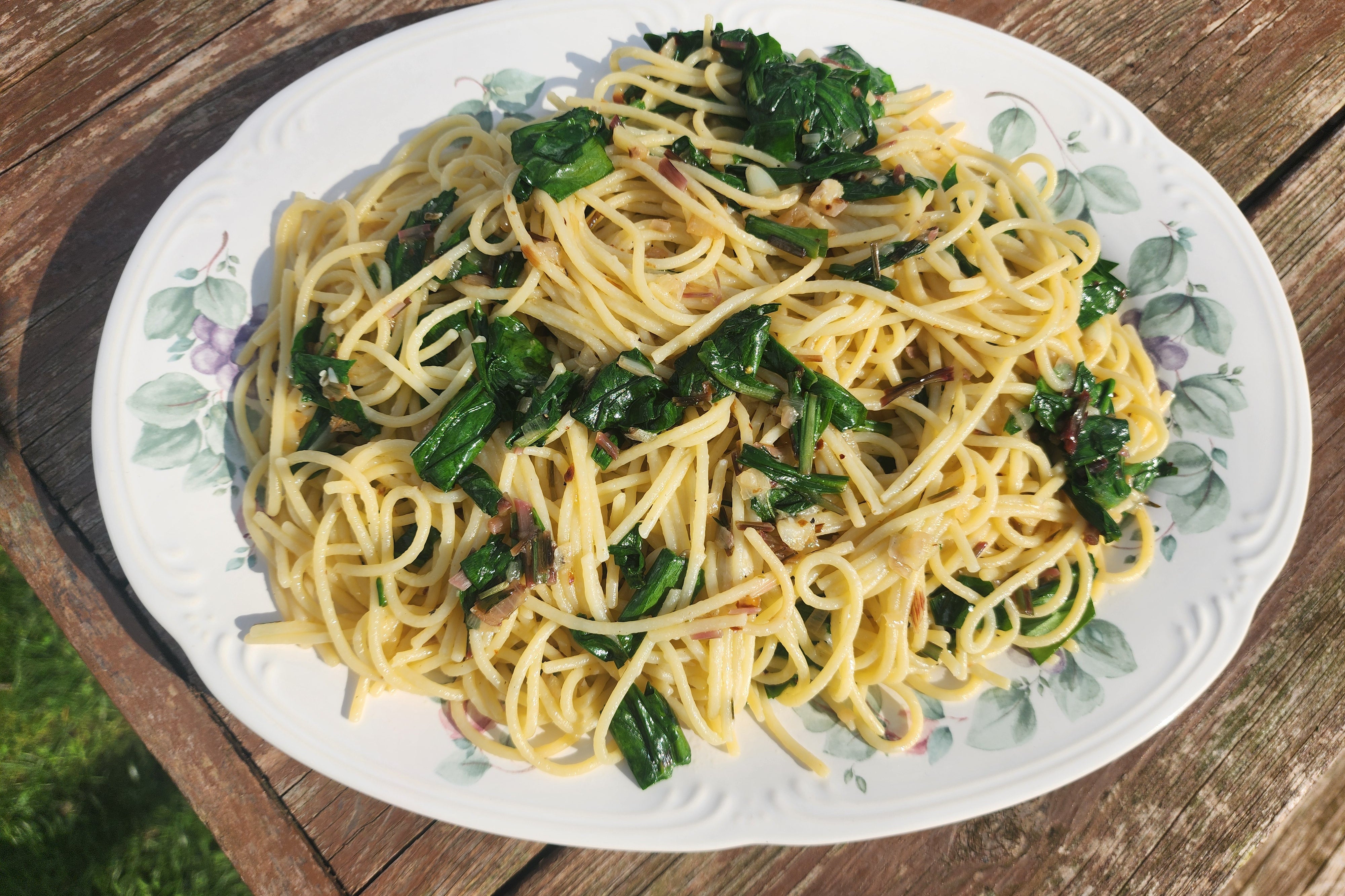
Here in L.A., where I live now, ramps can indeed be found at restaurants and even some grocery stores. At Kato, a Michelin-starred Taiwanese restaurant where the tasting menu is $325, ramps have found their way into the mix. At Étra, they’re paired with spaghetti and anchovy.
Recently, I sampled the ramp offerings at Dunsmoor, a restaurant that celebrates American heritage cooking, owned and operated by chef Brian Dunsmoor. Here, a trifecta of ramp dishes shone brightly: a bed of porcini mushrooms seared over wood fire and topped with wilted ramps, bacon vinaigrette, and an egg read like something my foraging cousin might cook in Pennsylvania; raw oysters arrived with homemade ramp vinegar that packed a garlicky wallop; and, the main course, grilled trout came slathered with a charred ramp aioli and topped with ramp salsa. A phenomenal meal. Nothing convoluted, nothing “cheffy.” I was floored by how delicious and simple each dish was, and I was amazed at how Dunsmoor was able to transport me right back to the Appalachian region. He readily admits to the intoxicating power of ramps: “It’s hard not to put them in everything—one of my favorite ingredients of the year,” he told me.
Dunsmoor gets his ramps from a trusted distribution company, Foods in Season. The company is run by a family of foragers who lease private farmlands bounteous with ramps from eager farmers, then send a group of ethical foragers, sometimes other experienced families, out to harvest. “It’s a family-owned business. We want to eat sustainably, keep the earth growing and functioning. We want to keep it the way it is,” said Malia Brush, a sales representative for Foods in Season. She said the company’s foragers never visit the same spot two years in a row, and everyone involved is trained in sustainable practices. I didn’t think for a second that Dunsmoor, a restaurant that honors American cookery and its history, was at risk of sourcing its ingredients from poachers. But as other chefs are quick to point out, those poachers are definitely supplying other distributors and restaurants—there just wouldn’t be enough ramps to go around without them.
“My worry is, when you see bigger companies start to have them, I wonder how much they’ve got ‘foragers’ out there doing the equivalent of clear-cutting,” said chef Jordan Smith, who has worked in top restaurants across the country. Smith said that in his experience, plenty of people come by the back door offering ramps, and not all of them are trustworthy. And then there’s the question of big restaurant distributors. “It just weirds me out when a mainliner truck bringing C-folds can bring your ramps,” Smith said. He’s asked some of these companies, the names of which you’ve definitely seen passing you on the interstate, where they get their goods, but “I was never able to get a satisfactory answer.”
“If you’re getting ramps from somebody you don’t know personally, most of the time you’re getting them and they still have the roots attached,” said Ken Miller, a chef and forager based in Michigan. “It’s abhorrent for the ramp population.” Throughout his restaurant career, Miller told me, he’s seen a wide range of ramp acquisitions. Usually, the ramps come from a local forager, somebody the restaurant either knows personally or has a relationship with. But chefs and restaurants don’t always ask whether foragers have permits or about their practices. Miller said that this year he’s seen chefs and colleagues make social media announcements about ramp season, then post a photo of ramp plants with the roots still attached. “My personal stance is, I stopped using ramps unless I have picked them personally from a place I’ve been authorized to access.” Typically, he gets them from a farm or some sort of private property he has been invited to. “I won’t order ramps anymore, because there’s just too many questions.
“It’s like, if you don’t do something with ramps, are you really doing spring food?”
“They’re not endangered now,” Miller added, “but they’re becoming more and more mainstream. The more people that realize, ‘Hey, I can pick some of these and make a few bucks at a farmers market …’ That has some pretty grand-scale implications if it goes unchecked. People like to start using things before they fully understand.”
And as Nilson told me, there’s still so much that we don’t know about ramps, and yet we continue to harvest them in large quantities to satisfy the annual madness. “It’s this very brief part of the year,” Miller said. “It’s like, if you don’t do something with ramps, are you really doing spring food?” In their need for survival and success, chefs have embraced the ramp as the grand prize of seasonal produce. But they’ve willfully ignored the unsustainable practices that harm the plant and its surrounding communities. Some chefs, meant to be seasonal champions, have instead become seasonal chumps.
Where were those confiscated 425 pounds of ramps in North Carolina going? Probably not to Meemaw’s house. How many other chefs and grocery stores buy ramps from unlicensed harvesters and poachers? How many are actually worried about the ramp’s continued survival? For those in the industry interested in turning over a new leaf, Nilson outlined some rules for buying from foragers: “If you’re a chef buying from a harvester, you can ask them, ‘What kind of stewardship practices are you doing? Are you spreading the seeds?’ ” As far as sound harvesting practices, she instructs foragers to “harvest the densest patches. Don’t harvest the same patch. You can collect the seeds and spread them. Return a month later, and spread the seeds.”
Home cooks have a role here as well. Purchasing ramps that come from private lands, which is how Foods in Season sources its product, protects public lands from being overharvested. If you’re at the local farmers market, avoid third-party sales from unknown foragers and opt instead to purchase from local farms. And stop buying them altogether from Facebook Marketplace or your local grocery store. It’s also a good rule of thumb to resist purchasing ramps that have the root systems still attached. If harvesting yourself, be sure to pull ramps only from dense patches, leave the bulb and stem, and even consider dispersing more seeds. Organizations like Gates Hill Farm, which make ramp sustainability the No. 1 priority, sell seeds and will mail them to you directly.
All of that is helpful, but if we actually want ramps to make it, something has to give. Social media encourages us to jones for seasonal produce, telling us we can have everything everywhere all at once. But when the ramp population continues to be so brazenly overharvested, does the plant really have any business on so many spring menus nationwide? Or in our grocery carts? Personally, I’m not comfortable purchasing ramps from anybody these days; I trust just myself and my cousin to forage them sustainably. I’ve only recently come around to trusting purveyors like Foods in Season because I got to speak with employees directly about the process—knowledge not everybody has the time to acquire.
It remains to be seen what will happen with the ramp population over the next decade. Ramps are not yet listed as a threatened or endangered species on the national level, but if our yearly glut continues unabated, such designations—and the terrible loss they represent—will come soon enough. Like so many popular pieces of art over the years, it seems that mainstream success may be the ramp’s undoing. At the end of the day, maybe the best thing would be to let most of them stay underground.