


In the UK, more than half the average diet is made up of ultra-processed foods (UPFs) and the message is that many of them are bad news for our health. There’s been increasing evidence suggesting a range of health problems may be caused by eating highly processed foods, and two large studies have now connected eating UPFs with greater risk of cardiovascular disease and death. In particular, the research pointed to a 10% increase in heart disease along with a staggering 62% increase in the risk of death (from all causes) when more than four servings of ultra-processed foods were consumed per day.
However, as more information comes to light, experts are now suggesting that not all UPFs cause harm. Indeed, some foods, despite their UPF classification, make a valuable contribution to the diets of those on a budget, those following a restricted diet or for those with a specific medical need. So how can we identify the helpful UPFs from the harmful?
Read on to discover how UPFs are defined, why this can cause confusion and how to identify the ones that are best avoided.

What are UPFs?
Researchers developed a system, called Nova, to categorise foods depending on how processed they are. There is a ‘sliding scale’ of processing, from raw, natural fruit and vegetables, through products that have been extracted or milled (like sugar or oil) so they can be used as ingredients in cooking, then foods that are described as ‘processed’ but that have generally been treated to help them last longer or make them into a different – but still fairly simple – food. Examples include tinned vegetables and fish, cheese and cured meats.
UPFs are a separate category but it can sometimes be tricky to differentiate between UPFs and other processed foods, or to evaluate helpful UPFs from more harmful ones. For example, some UPFs are devoid of any nutritional value because they have undergone varying industrial processes, while others have nutrients added to them, making them a useful dietary inclusion for certain groups.
Read more about how foods are classified
Learn more about processed food, then try some of our sweet but healthy snack recipes.
What makes some UPFs harmful?
Many UPFs are affordable, convenient and ‘hyper-palatable’ (being formulated to hit the sweet spot for taste) so it’s not hard to understand why they often become the go-to choice for many of us. These highly modified foods can be sweet or savoury, and are often very easy to over-consume. Examples include commercial baked goods like pastries and doughnuts, energy drinks and sodas, drinks sweetened by artificial sweeteners, processed meats like burgers and sausages. Even some products marketed as healthy, such as certain breakfast cereals, can contain surprisingly high amounts of sugar and are processed in such a way as to classify them as UPF.
These UPFs typically have poor nutritional profiles, they may contain industrial additives including cosmetic additives like colours and thickeners, they’re also processed to alter their physical structure and as a result appear to be most harmful to our health.

How to spot harmful UPFs
Figuring out where a UPF is on the spectrum of helpful or harmful can be a minefield but there are some red flags to look out for. Follow this guidance to help you make more informed decisions:
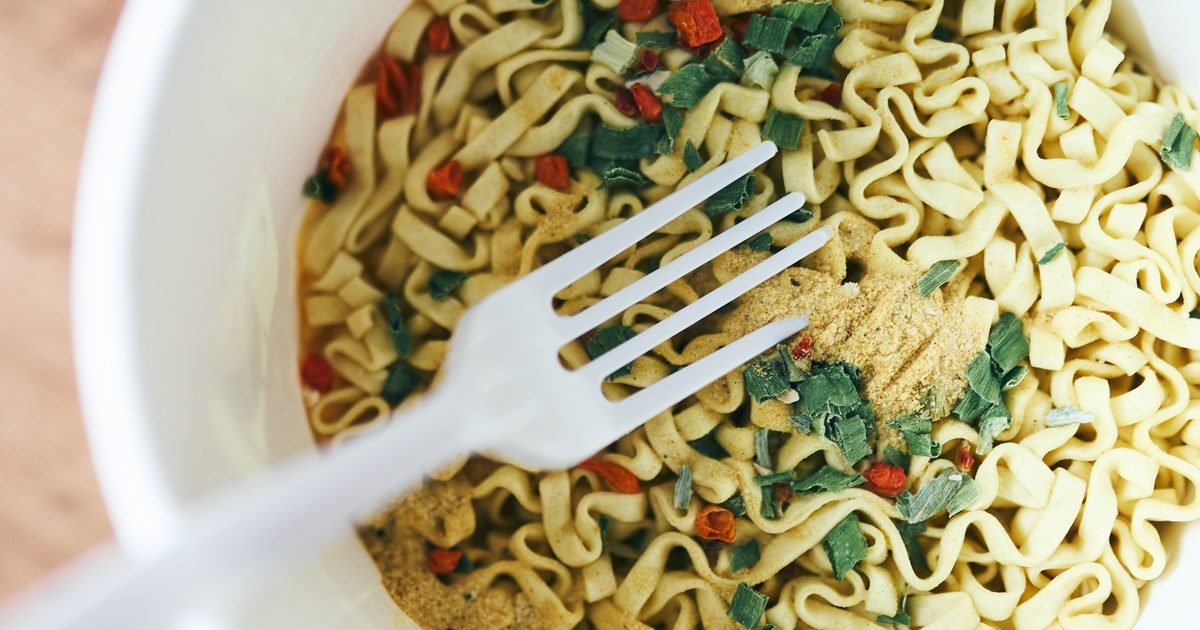
- Is the food ready to eat? Often UPFs are marketed for their convenience. Mass-produced ready-made or instant foods that are ready to eat or heat are likely to be ultra-processed. Examples include instant noodles and packaged pastries
- Are the traffic light labels on the front of pack RED for fat, saturated fat, sugar and salt? Commercial, ready to eat or heat products are often UPFs and may be packed with low-cost, high-flavour ingredients including fat, sugar and salt. Too much of any of these are known to be harmful to health. A type of fat called trans fats may be also included – check the label for ‘hydrogenated fat’ or ‘partially hydrogenated vegetable oil’. Bear in mind, though, that even if a food product is high in all of these categories, that doesn’t confirm it to be a UPF – although it’s unlikely to be healthy choice
- No traffic light label? You can still judge whether the sugar, sodium (salt) and saturated fat content is high – scour the per 100g column on the nutritional information table on the back of pack. As a general guideline, high-sugar foods contain more than 22.5g of total sugars, high-salt (sodium) foods contain more than 1.5g and high-saturated-fat foods equates to more than 5g per 100g
- Do you recognise the ingredients? Check out the ingredient list – if you don’t recognise an ingredient or the name doesn’t sound like a food – then it’s likely the product is UPF. Some examples include ‘high-fructose corn syrup’ and ‘hydrolysed protein’, along with additives like flavour enhancers, artificial colours, sweeteners, thickeners and anti-foaming, bulking, carbonating, foaming, gelling and glazing agents. These ingredients are often used to make the end product look or taste more like the food it’s supposed to mimic – for instance a smoky flavouring being added to a burger that’s designed to be microwaved rather than barbecued
- How long is the ingredient list? If the list runs to more than five items and you don’t recognise one or more of them, it’s likely to be UPF and most probably one that has been industrially engineered
- What is the sell-by date? A long shelf life can often (but not always) be a UPF giveaway. For instance, if baked goods – which you would usually expect to be eaten fresh (within a couple of days) – have a use-by date of a month or more, you can reasonably assume they have been subject to ultra-processing. The exception is food kept in brine like olives or tuna, or tinned fruit or veg, where minimal preservatives have been used

The bottom line
UPF is an umbrella term that covers a vast range of products – some, such as fortified foods can be a nutritional bonus, especially for those on restricted diets; others, like sugary drinks and processed meats, are more harmful and should be avoided or minimised.
A diet focused around whole foods is known to be the healthiest way to eat, even if it’s not necessarily the most convenient. That said, the overall quality of your diet is what really matters – this means you can enjoy a variety of foods including some UPFs. However, knowing how to spot the most harmful ones should help you make more informed buying decisions and as a result improve the quality of your diet.
Further reading:
What’s the truth about UPFs? A nutritionist evaluates
Top 10 health foods to avoid
Saturated fat: what you need to know
All you need to know about sugar
Low-salt dinner recipes
This page has been updated on 1 October 2026 by Kerry Torrens.
All health content on goodfood.com is provided for general information only, and should not be treated as a substitute for the medical advice of your own doctor or any other health care professional. If you have any concerns about your general health, you should contact your local healthcare provider. See our website terms and conditions for more information.
