


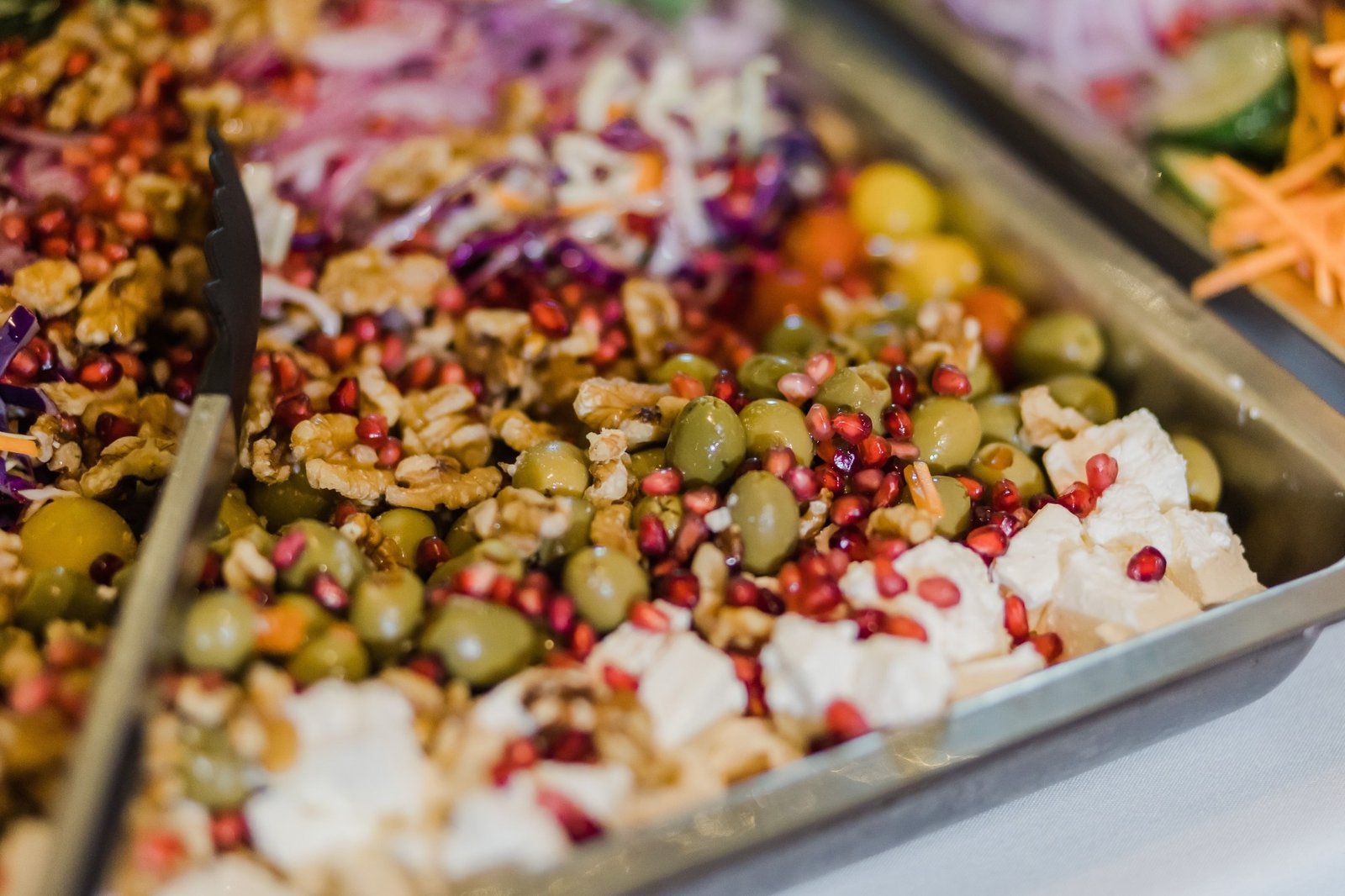
A culturally tailored Mediterranean-style diet could offer South Asians a more practical route to heart-healthy eating, as researchers test whether Indian foods, spices, and meal patterns can lower dietary inflammation in people with or at risk of coronary artery disease.
Study: The Impact of Indian Adapted Mediterranean Diet (IAMD) on Dietary Inflammatory Index in Patients with Coronary Artery Disease: Protocol for a Randomized Controlled Trial. Image Credit: AltairSe / Shutterstock
South Asians, including Indians, experience a higher incidence and earlier onset of coronary artery disease (CAD), making it important to assess the effect of culturally feasible dietary modification. A group of researchers has described an ongoing randomized controlled trial (RCT), for which enrollment is complete, of a modified Mediterranean diet adapted to Indian culinary culture and tastes, and food availability: the Indian Adapted Mediterranean Diet (IAMD). The study protocol was published in the journal BMC Cardiovascular Disorders.
Mediterranean Diet Adapted for India
The Mediterranean diet has been shown to have anti-inflammatory and cardioprotective effects. This includes olive oil as a main component, along with whole grains, fruits and vegetables, fish and seafood, and legumes, with moderate dairy and low added salt and sugar.
However, it is based on foods that are traditional to Mediterranean food availability and culinary practices. As such, its acceptability and feasibility may be limited in an Indian population.
This motivated the authors to design the IAMD: an adaptation tailored to the Indian palate using culturally appropriate foods. The study is primarily intended to explore whether this diet can reduce dietary inflammation and cardiometabolic risk in Indians at high risk for or with existing cardiovascular disease (CVD).
Randomized Trial Design and Measures
The authors describe a single-center, open-label RCT involving 140 adults with stable CAD or at moderate to high CVD risk (INTERHEART score ≥10). Participants are randomized 1:1 to receive either IAMD or standard dietary advice for 6 months. The enrolled cohort has a mean age of 51.9 years, is 79% male, and 81% have a diagnosis of CAD. Although participants and dietitians cannot be blinded, outcome assessors will remain blinded to group allocation.
This will be followed by measurements of changes in the Dietary Inflammation Index (DII) and energy-adjusted DII in patients with existing CAD or at risk for cardiovascular disease (CVD) over six months of the trial intervention. These measures describe how likely the diet is to promote or counter inflammation.
In addition to the DII measurements, other parameters of inflammation and cardiometabolic risk, as well as body measurements related to obesity, will be obtained. These include inflammatory biomarkers like C-reactive protein, and various interleukins (IL) like IL-4, IL-6, and IL-10; cardiometabolic risk factors like fasting blood glucose, glycated hemoglobin, fasting insulin, blood cholesterol levels, uric acid, and serum fatty acid composition; body mass index (BMI) and other anthropometric measures.
In addition, the researchers will collect data on exploratory outcomes like changes in adiponectin, leptin, ghrelin, resistin, and glucagon-like peptide-1 levels.
IAMD Meal Plans and Controls
The IAMD intervention includes individualized seven-day cyclic meal plans tailored to caloric requirements, BMI, ideal body weight, comorbidities, and dietary preferences. It uses validated North Indian recipes and emphasizes healthy fats such as mustard oil and groundnut oil, whole grains, legumes, seasonal fruits and vegetables, nuts, and anti-inflammatory spices such as turmeric and ginger, while minimizing refined carbohydrates, red meat, and processed foods. The control arm receives individualized standard dietary counseling in accordance with routine clinical practice.
Cardiovascular Diet Policy Implications
The trial is designed to evaluate whether the IAMD can reduce dietary inflammation and improve cardiometabolic health among Indians who are at high risk for or have cardiovascular disease. The findings are intended to provide foundational evidence for a heart-healthy South Asian dietary strategy. They may help shape dietary guidelines and nutritional policies targeting cardiovascular disease prevention in low- and middle-income countries.
However, the authors note that the trial has several limitations, including its open-label design, reliance on self-reported dietary intake, single-center design, limited power to assess clinical endpoints, and uncertainty about long-term adherence beyond the study period.
Download your PDF copy by clicking here.
Journal reference:
- Mantoo, M. R., Chauhan, S., Shekar, R., et al. (2026). The Impact of Indian Adapted Mediterranean Diet (IAMD) on Dietary Inflammatory Index in Patients with Coronary Artery Disease: Protocol for a Randomized Controlled Trial. BMC Cardiovascular Disorders. DOI: 10.1186/s12872-026-05974-8, https://link.springer.com/article/10.1186/s12872-026-05974-8
