


As we have highlighted in the past, artificial intelligence (AI) is transforming the healthcare industry, from helping to fight drug-resistant bacteria to assisting doctors in detecting Parkinson’s disease early. At the same time, AI has been making life-saving strides across the healthcare system, there has also been increased investment and growing interest in the health and wellness economy.
AI tools are well-suited to help close access gaps, including by democratizing medical expertise to rural patients, and now, helping to fill the gap for consumers without the discretionary income available to pay for a gym membership, personal trainer, dietician, etc. People are now combining AI in healthcare and their interest in the wellness sector, using AI to create fitness training plans, meal prep calendars, recipes, and more.
For decades, the path to a healthier lifestyle was often gated by a high entry fee. If you wanted a personalized workout, you needed a personal trainer. If you wanted a meal plan tailored to your specific metabolic needs or dietary restrictions, you needed a nutritionist. These services are incredibly valuable, but they are frequently only available to those with a sustainable level of discretionary income to afford them, leaving millions of Americans to navigate their health journeys through guesswork or generic, one-size-fits-all advice. Today, we are witnessing a new chapter in that story: the AI-driven democratization of health and wellness, increasing access to beginner fitness guidance at a fraction of the cost.
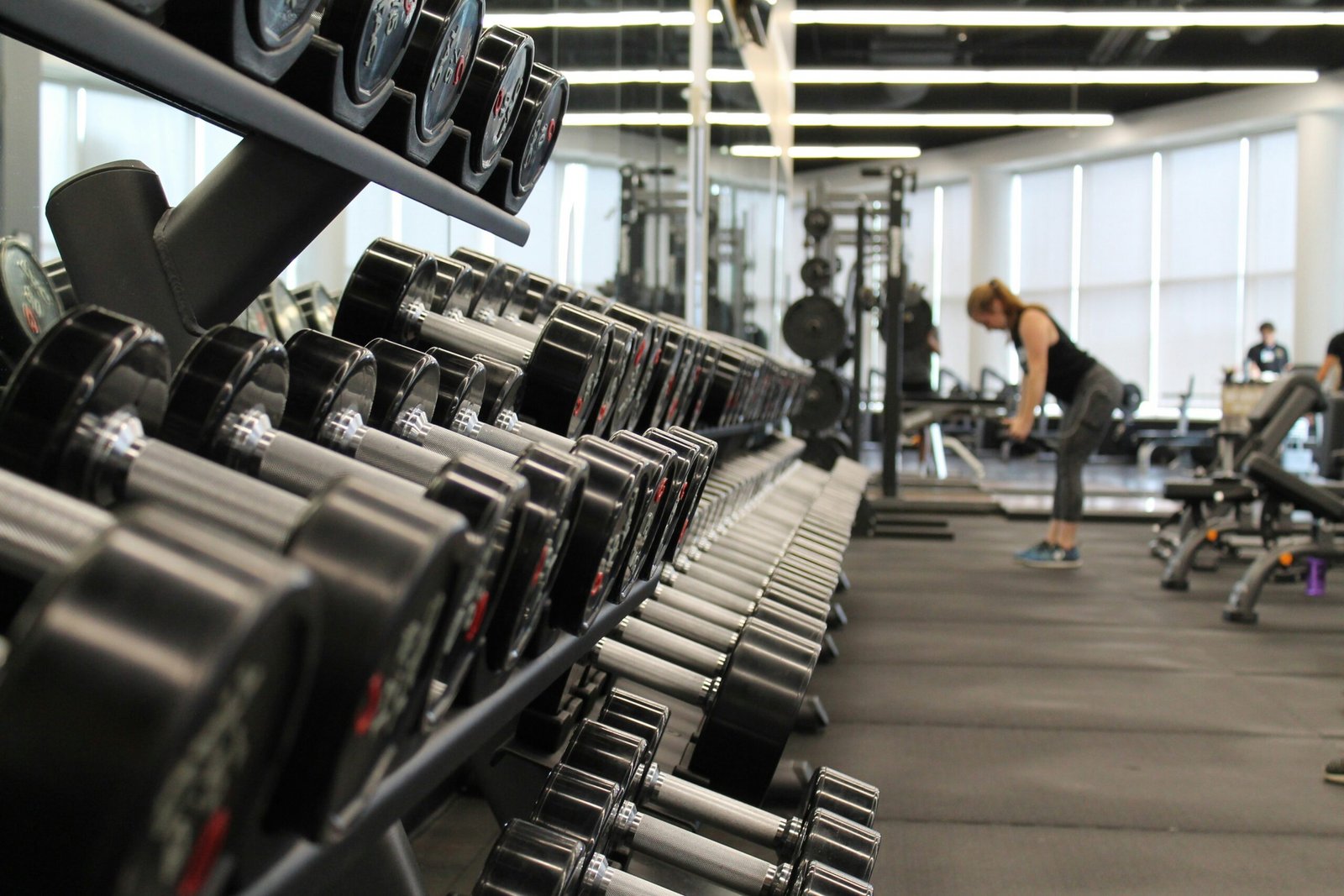
The fitness industry has long struggled with accessibility. Beyond the cost of a gym membership, a single session with a certified personal trainer typically ranges from $50 to over $100. For many families, their budgets simply cannot support such a line item. Generative AI tools powered by machine learning can now help to fill this gap, with early findings indicating that “generative AI-generated training programs generally adhere to established exercise guidelines…emphasiz[ing] safety and broad applicability, making them useful for general fitness guidance.”
AI-powered fitness apps and wearables take this a step further, offering real-time form checks and workout adjustments based on real-time user data. Workouts can be adjusted based on incoming biometric data (such as heart rate patterns), performance history, user health goals, and, in some cases, user movement. Utilizing one’s phone camera or other forms of motion sensors, “newer apps can analyze user movement,” spotting “errors like rounded backs, shaky knees, or rushed tempo” and issuing real-time feedback and corrections.
An essential part of leading a healthy lifestyle is figuring out how to implement a healthy diet. However, nutrition can be a complex subject. According to a study conducted by Del Monte Foods, Inc., one in every three Americans reported never receiving a formal education on what goes into healthy eating habits. Between this lack of education, the intricacies of proper nutrition and overall time constraints faced by working Americans, creating a sustainable meal plan can become a daunting task. By leveraging Large Language Models (LLMs) and specialized data sets, consumers can generate personalized meal plans that account for a user’s specific caloric needs, health history and grocery budget.
To be clear, AI must not be a replacement for trained medical and health professionals. But, allowing users to leverage AI as a tool to help create baseline fitness and meal plans increases accessibility to wellness and overall sustained health for millions of Americans. It takes the knowledge once siloed in expensive resources and makes it attainable for the average user, thereby increasing our health as a nation.
As AI continues to evolve, we can expect even more sophisticated integrations, including more wearable technology options that provide real-time biometrics or shopping assistants that could help you build your grocery list based on your nutritional goals. The future of fitness and nutrition is personal, data-driven and accessible.
Image via Unsplash.
