


Executives from three booming fitness brands talked growth strategies at Franchise Times’ inaugural Fitness Finance & Growth Conference. From boutique concepts to big-box gyms, top-tier brands are tapping into stronger franchisee profitability, pricing strategies, new modalities and internal investments to successfully scale.
In eight years, Daniel Gallagher has been along for a busy ride as the chief financial officer of Crunch Fitness.
The big-box fitness concept has more than tripled its EBITDA—or earnings before interest, tax, depreciation and amortization—from 2018 to 2025 and gained momentum with unit growth, said Gallagher. Settling into its Crunch 3.0 redesign and Leonard Green & Partners’ majority acquisition of the brand, appropriate scaling strategies have been more important than ever at Crunch.
“We have franchisees that are more sophisticated in our portfolio, and they’re well capitalized,” Gallagher said. “They have banks behind them; they have [private equity] money behind them.”
Gallagher spoke alongside Kamille McCollum, president and chief brand officer of Bodybar Pilates, and UFC Gym CEO Adam Sedlack during a panel on franchise scalability at Franchise Times’ inaugural Fitness Finance & Growth Conference last week in Chicago.
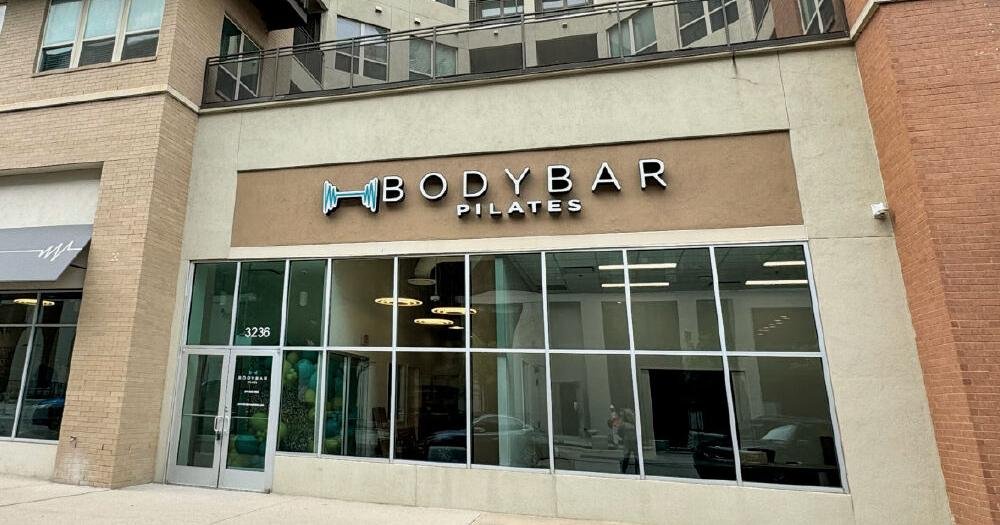
With 84 units, Bodybar is setting itself up for growth by enhancing internal structures. McCollum, who started with the boutique Pilates concept as a franchisee alongside husband and now-CEO Matt McCollum, said having quality classes and training processes is imperative in such a competitive space.
To differentiate the brand, Bodybar has built out its training processes and learning management systems.
“A lot of times, your franchisees—if they’re just individuals—don’t know how to run a business,” Kamille McCollum said. “They might be a health and wellness enthusiast, but they don’t know how to manage staff. They don’t know how to run a studio. They may not even know what a P&L is, which is wild. You have to have all of these trainings, creating those on the front end.”
The company established in-house real estate support this year, reducing the average sold-to-open timeline from 15 months to 10 months. As a result, McCollum expects Bodybar to open another 35 units by the end of this year.
“It’s helped us extremely,” she said, “because that has been our biggest opportunity: just getting people into locations and getting them open.”
Related: Where Are They Now? Recent Hires Fuel Bodybar Pilates’ Growth
Meanwhile at UFC, self-awareness has been key to scaling appropriately.
A complicated franchise acquisition from years prior slowed down the organization’s growth plans for a few years, Sedlack said. The brand has since learned from this experience, now approaching growth decisions with a level of “professional emotional intelligence.”
This mentality has also seeped into UFC Gym’s approach to its fitness offerings.
Not overcomplicating, overselling or “over-messaging” to the average gymgoer has been crucial, Sedlack said. But for the percentage of customers looking to gain more out of their membership, he said there’s opportunity to maximize premium revenues and innovate within the four walls.
UFC Gym has done this by strengthening its recovery centers with hyperbaric oxygen therapy, cryotherapy, red light and compression therapy. Sedlack said its 15 units with full recovery centers are generating $50,000 in additional monthly revenue.
Sedlack also mentioned UFC Gym’s recent acquisition of a peptide company, NextGen MD Scientific, with the brand soon building clinics into some of its locations. The first two are expected to open in July; Sedlack anticipates clinics to generate about $100,000 in monthly revenue.
“It really matches what the UFC brand is, right?” Sedlack said. “If you think about the UFC brand, it’s these incredible athletes that maximize performance through nutrition, training and making sure they supplement their nutrients with what is required. We’re positioning our gyms to do that.”
With Crunch 3.0, Gallagher said Crunch is similarly offering additional modalities and recovery-based amenities with the goal of selling higher-priced memberships. The company has also invested in its presale and marketing playbook—just compare Crunch’s national marketing spend of $6 million in 2019 to more than $30 million this year.
“It helps us get the franchisees a lower cost per lead, but it also helps overall brand awareness,” said Gallagher, who noted the brand’s presale numbers have grown in tandem, now averaging to more than 6,000 members just 30 days after opening.
Boutique concepts like Bodybar are also capitalizing on presales and stronger marketing to grow.
Promotional events have helped attract new customers and convert them into members, increasing average presales from 175 to 225 members. Additionally, the brand launched its first national commercial across streaming platforms, featuring real-life clients and staff members.
“We know once they convert into a member, we’re going to keep them; and for that franchisee, they’re going to be profitable,” McCollum said. “It’s all a numbers game at that point, so we’re constantly diving into those and staying fresh on what we offer.”
The Fitness Finance & Growth Conference, presented by Franchise Times, ran from May 18-20 at the Loews Hotel in Chicago.
