


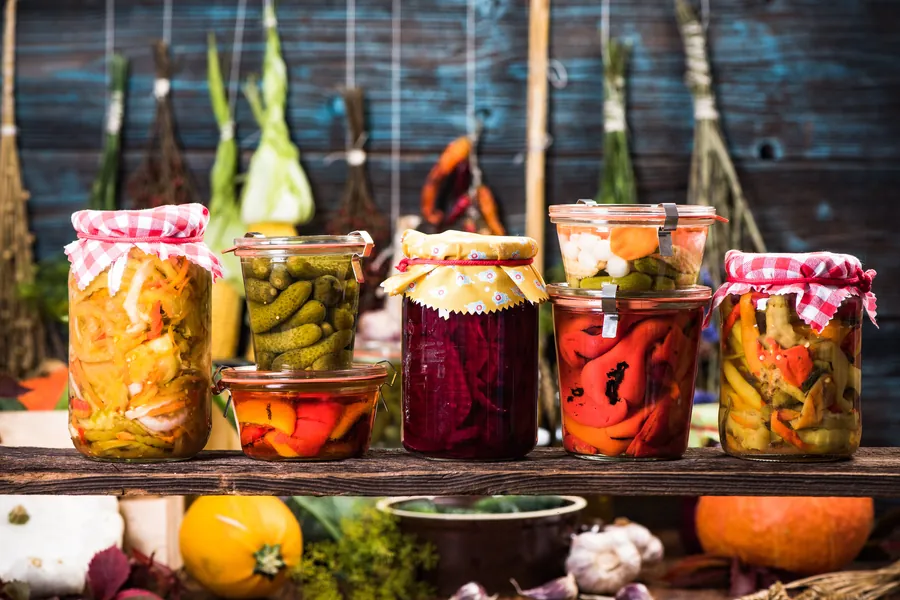
US research recently found that microbial proteins significantly contribute to the protein content of fermented foods, like yogurt and cheese. We explore the findings with one of the study authors, who tells us that microorganisms do not just help foods ferment but also boost their nutritional profile and potentially have health impacts.
These food-fermenting microbes raised protein levels, reaching up to 11% of the total protein content, making up 60% of the identified proteins.
Nutrition Insight speaks with study co-author Ayesha Awan, Ph.D. candidate at North Carolina State University, to learn how her team’s study changes what we know about nutrition labels, what kind of proteins the bacteria prefer, and what happens to the protein quality in the food.

The Food & Function study analyzed 17 fermented and three non-fermented foods — dairy milk, tofu, and wheat bread — using metaproteomics. Fermented foods included the fermented derivatives of substrates, such as yogurt, brie cheese, sour cream, plain yeast bread, sourdough bread, tempeh, miso, and soy sauce.
Brie cheese was especially noted for its high protein content, where 65% was microbial.
Diverse microbial proteins
Reflecting on how the study findings could change what is known about traditional nutrition labels, Awan says these do not capture the source or diversity of protein in foods. “They do not provide information regarding how much of the protein consumed as part of fermented foods comes from microbes and what types of proteins are being consumed.”
The study found that the proportion of diversity of microbial proteins was much higher than that of the food substrate proteins in five fermented foods analyzed.
For instance, out of the 1,573 different proteins present in brie cheese, 1,023 proteins were microbial proteins. This pattern was observed in almost all dairy products studied.
“While all proteins in our diet are processed the same way by our body’s digestive processes, the efficiency with which those processes degrade and digest milk proteins versus microbial proteins is likely different,” says Awan.
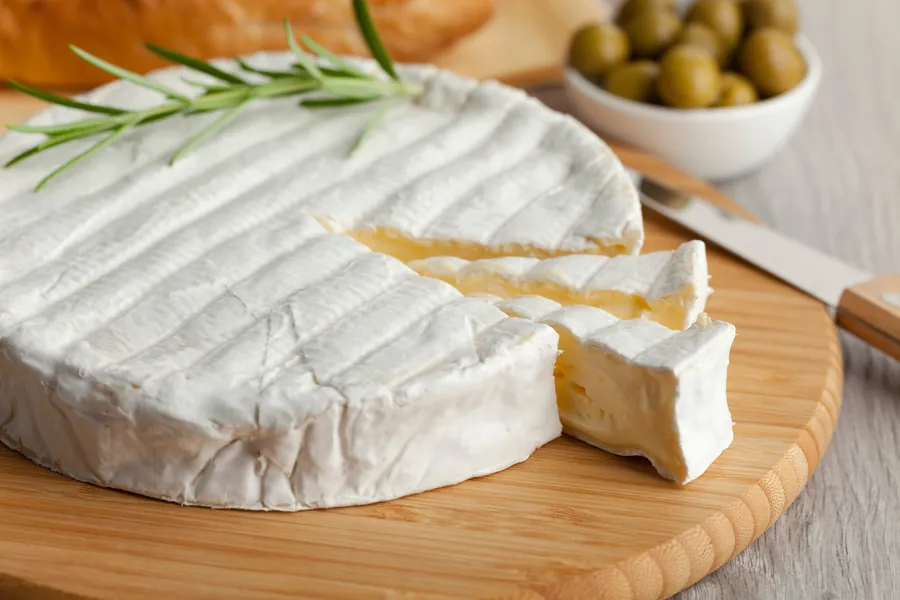 Microbes supply 65% of the brie cheese protein, transforming fermented food nutrition.“However, the differences in how efficiently microbial proteins versus milk or other food substrate proteins in fermented foods are digested in the gut are still an open question.”
The paper detailed that the fermenting process included degrading and changing the abundance of anti-nutritional protease inhibitors, such as those found in wheat and soy. The process also impacted the levels of potential food allergens and immunogenic proteins.
It highlighted that this shows the potential for engineering the fermentation process to boost microbial activity against anti-nutritional factors or allergenic food proteins.
Question of protein quality
The study authors said that when bread is consumed, quite a large amount of yeast is consumed as the product is converted into yeast protein.
“Conversion of wheat proteins into yeast proteins shifts the protein and hence the amino acid profile of the bread,” adds Awan.
“Although we did not directly investigate protein quality in this study, previous studies have shown that fermentation can improve digestibility. While outside of the context of fermented foods, we have previously published a study showing that purified yeast protein is an efficiently digestible source of protein.”
She adds that in the future, she is most interested in exploring whether eating microbial proteins from fermented foods influences gut bacteria or the immune system beyond known probiotic effects.
“While we have previously published studies showing that protein from different sources impacts the gut microbiome and host response, we have yet to explore the effects of diverse microbial proteins found in our diets.”
“This is especially important to study in the context of fermented foods because while we have consumed fermented foods for hundreds of years for their positive health effects, we still don’t fully understand the underlying factors driving those effects.”
“Microbial proteins in fermented foods, through their interactions with the gut microbiota and the immune system, could be responsible for mediating at least some of these health effects,” she concludes.
In related news, recent research found that diet predicted 92% of gut microbial species and 98% of microbial pathways, which could power personalized dietary recommendations.
