


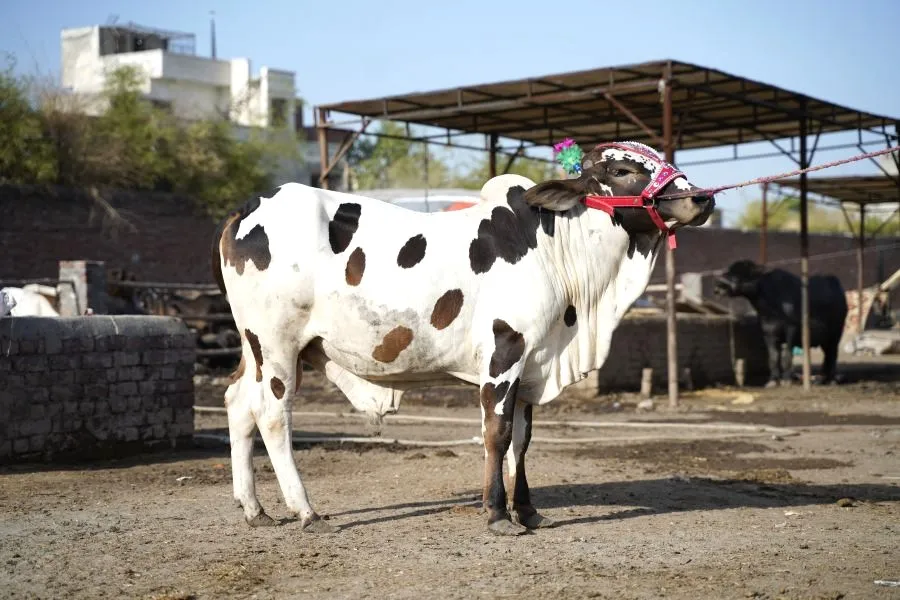
Despite Pakistan being one of the largest milk-consuming and producing countries in the world, it continues to suffer from food insecurity, malnutrition, and stunting. This was in focus at the Pakistan Medical Association’s stakeholder dialogue hosted in Lahore earlier this month, titled The True Value of Dairy in Pakistan, amid the country’s increased nutrition crisis and growing economic cost.
The event brought together experts from the dairy industry, regulatory authorities, and nutrition organizations, including the Global Alliance for Improved Nutrition (GAIN), to discuss endemic barriers to accessible nutrition.
At the dialogue, experts called for an urgent transformation of the country’s dairy industry, stronger food safety systems, and expansion of school food programs.

Nutrition Insight sits down with GAIN’s Farrah Naz, country director in Pakistan, and Ty Beal, Ph.D., head of Food Systems Data and Analytics, to discuss how the organization is working toward improving nutrition access in the country, and how the current dairy industry limits people’s access to nutrition.
“Nutrition is everyone’s business, especially in this time when climate change is accelerating, and there are risks of reduced nutritional value of crops due to degraded soil health. We need to encourage alliances and networks to work together on issues of malnutrition,” stresses Naz.
“Otherwise, we may end up with half the population malnourished and underperforming, and we may not be able to have the desired socioeconomic progress.”
Pakistan’s dairy sector
Pakistan is the fifth-largest producer of milk globally. Yet, it still faces a number of issues in milk management, including management of animal health, their feed and fodder, the milking practices, management practices, and the supply chain, explains Naz.
“The milk market in Pakistan is mostly informal so far. As per the estimates, between 2–5% of the total milk produced is processed through a few milk processing companies. The processing, however, adds costs which a large population cannot afford to pay.”
“On top of all that, there is an 18% General Sales Tax, the burden of which is fully on the consumer. Therefore, the companies have failed to create wider demand for the processed and packaged milk.”
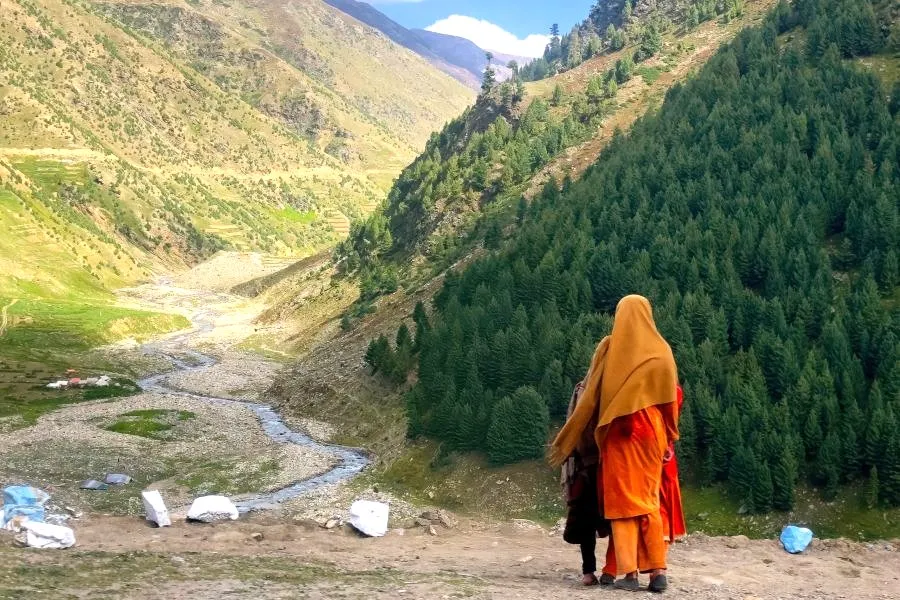 Pakistan is the fifth-largest producer of milk globally, but still faces a number of issues in milk management and the supply chain.She argues that the nation’s dairy sector is fragmented, consisting mostly of small cattle owners who sell milk to middlemen, and who, in turn, take it to various places — nearby towns, milk shops, or confectionery industry — usually without adequate safeguards against contamination during transportation. This is due to practices of adding ice or cold water to keep the milk cold or increase the volume, as well as adulterating with various substances.
“The Provincial Food Authorities claim that most of the milk samples they tested did not meet the standards of milk, but almost half of them were also not safe for consumption,” says Naz.
The price of open milk (raw and unpasteurized) is lower than that of packaged milk. But even so, open milk is not affordable for many people living in poverty.
“Some of the families only buy 250 mL of milk, half of which is fed to the youngest child in the family, and the remaining is used for tea,” stresses Naz. “This lack of affordability has implications for the nutrition outcomes of children below five years old.”
Limiting access to safe nutrition
Beal adds that other particularly nutritious foods that can help curb malnutrition in Pakistan include dark green leafy vegetables, organ meats, fish, and seafood.
“These foods are dense in micronutrients commonly lacking and can also help protect against chronic diseases such as heart disease and diabetes, which are on the rise in Pakistan,” he says.
Earlier this year, Action Against Hunger released a report detailing that 11.8 million people in Pakistan are facing acute food insecurity levels.
GAIN in Pakistan works in partnership with the government ministries and departments at the national and provincial levels. It also works with the private sector, including food and food-related companies.
These are mostly small and medium-sized enterprises through SUN Business Network under the leadership of SUN Secretariat at Planning Commission, civil society organizations, and other development partners such as the UN Food and Agriculture Organization, World Food Programme, UNICEF, and other international NGOs, shares Naz.
“GAIN has been providing support to the policies review, alignment to the Food System Transformation priorities, supported the Food System Dashboard (which is now managed by the Pakistan Agriculture Research Council), and has also been trying to get the climate change and nutrition integrated into various policies such as the Food Security Policy and the Nationally Determined Contributors.”
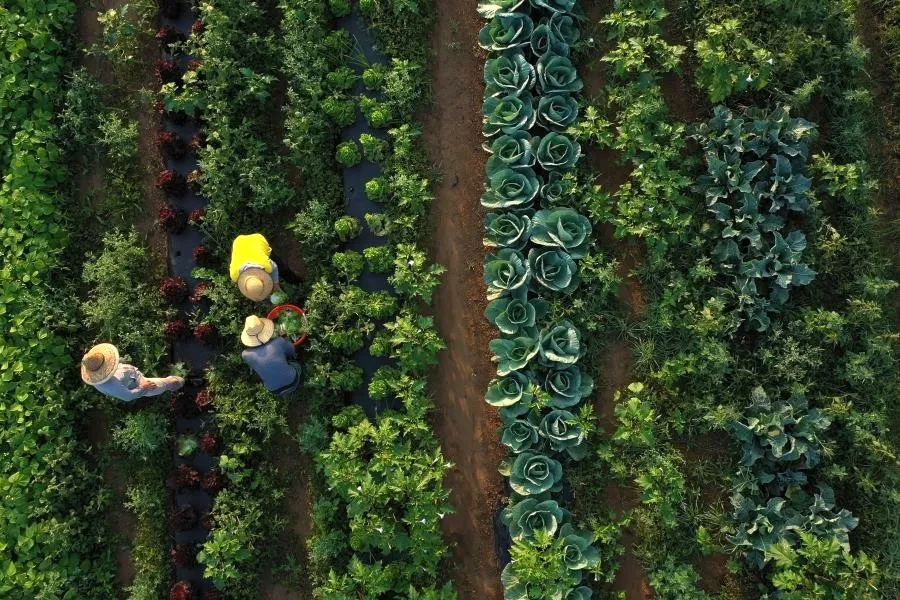 GAIN plans to continue to engage with the policy makers on policy alignment to make healthy diets affordable.“At the provincial level, GAIN has been engaged with the Food Authorities for several years on Large Scale Food Fortification, and also to support their capacity strengthening in ensuring their role in standards compliance and raising awareness among people on food safety issues.”
GAIN is currently implementing two projects with the private sector: one on fruit bars to reduce fruit waste, containing added protein and micronutrients to address micronutrient deficiencies. The other project is on whey valorization to develop dairy products that are nutritious and affordable.
The organization has also been promoting zinc biofortified wheat to address the micronutrient deficiency in women and children by engaging all actors in the supply chain.
Future steps for GAIN
Naz details GAIN plans to continue to engage with policy makers on policy alignment to make healthy diets affordable for everyone, reducing taxation on items that are essential for child growth, as well as imports of essential items such as protein concentrates and premix for large-scale fortification.
A recent comprehensive economic analysis of food fortification demonstrates it is a potential solution to global malnutrition and a cost-effective way to tackle hidden hunger in over 63 countries, delivering substantial health benefits. The review stresses that food fortification is a great investment as the “benefits far outweigh the costs.”
Naz says: “We will also continue to work with the private sector to ensure healthier options are available in the market at affordable rates, and for the industry to have responsible business practices.”
“Moreover, we will closely engage with the civil society to promote nutrition through behavior change communication, and have the social protection schemes become more nutrition sensitive and inclusive.”
The organization is seeking out partnerships with other stakeholders to strengthen the nutritional aspects in their respective projects and programs.
